PROLOGUE — The Camp Where God Himself Dwelt
Numbers 5 addresses three seemingly distinct subjects: the removal of the unclean from the camp, the principle of restitution for wrongdoing, and the bitter water test for discerning suspected adultery. What unifies these three regulations is the declaration at the opening of the chapter.
“For I the LORD dwell among them.”
For I dwell among them. Because God’s presence literally resided at the center of the camp, its purity was never merely a matter of hygiene, but a matter of reverence for God’s presence itself.
ACT ONE — Removing the Unclean from the Camp (verses 1–4)
“Command the children of Israel, that they put out of the camp every leper, and every one that hath an issue, and whosoever is defiled by the dead.”
Regulations already addressed in Leviticus 13–15 were now actually put into practice. The camp was never merely a space where people gathered — it was a space that held God’s holy presence.
ACT TWO — The Principle of Restitution for Wrongdoing (verses 5–10)
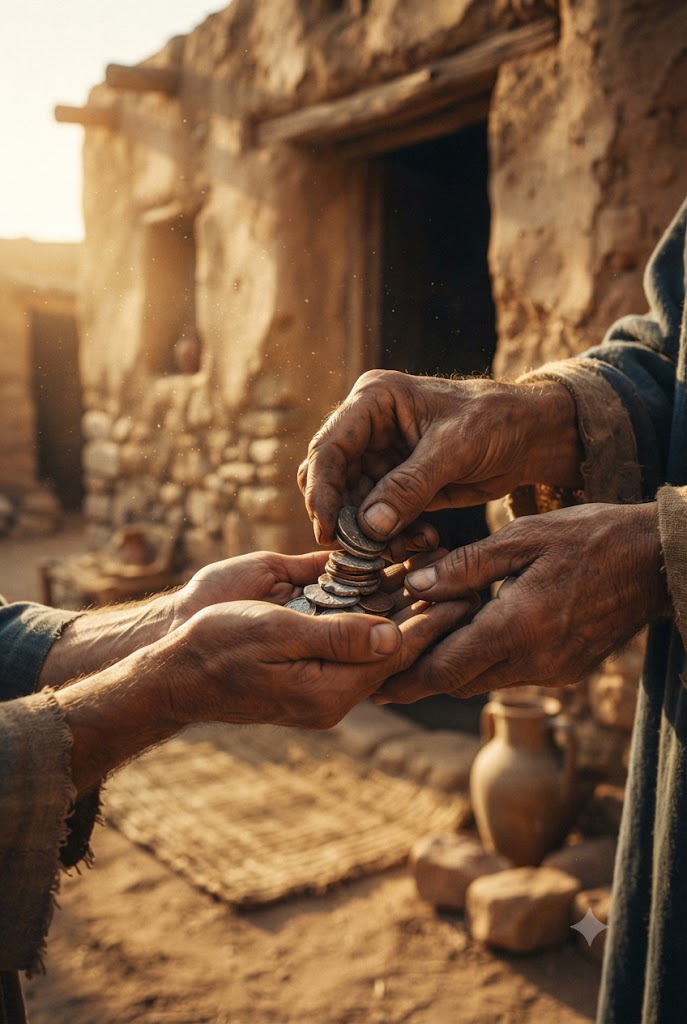
“When a man or woman shall commit any sin that men commit, to do a trespass against the LORD, and that person be guilty… Then they shall confess their sin which they have done: and he shall recompense his trespass with the principal thereof, and add unto it the fifth part thereof, and give it unto him against whom he hath trespassed.”
Recompense… and add unto it the fifth part. This was not mere restoration, but restitution with a 20% addition. This shows that wrongdoing could never simply be “undone” — genuine restoration required going beyond mere material repair.
ACT THREE — The Bitter Water Test: A Procedure for Discerning the Truth (verses 11–31)
The longest and most distinctive portion of this chapter addresses a case where a husband suspects his wife of adultery but has no proof.
“And the priest shall set the woman before the LORD, and uncover the woman’s head, and put the offering of memorial in her hands, which is the jealousy offering… and the priest shall have in his hand the bitter water that causeth the curse.”
The priest mixed dust from the tabernacle floor into holy water and gave it to the woman to drink. If she was innocent, no harm would come; if guilty, physical symptoms would follow, as declared.
The real purpose of this regulation. What can feel strange to modern readers actually served, at its core, to protect a woman from a husband’s reckless suspicion. In the ancient Near East, a woman suspected of adultery was often executed summarily or punished privately. This regulation removed that judgment from a private individual’s hands and placed it into a public, divine procedure before God. In a situation lacking human evidence, this law rested on the trust that only God knew the truth.
“Then shall the man be guiltless from iniquity, and this woman shall bear her iniquity.”

REFLECTION — A Truth Only God Knows
The three subjects of Numbers 5 may appear distinct on the surface, but they converge on a single truth. Human justice is always imperfect. But God knows even what is hidden. Facing an unclean camp, unresolved restitution, or unprovable suspicion, Israel was called to entrust judgment not to their own discernment, but to God’s.
In situations of injustice or suspicion you cannot resolve on your own, can you entrust it to a God who knows all things?
NEXT EPISODE PREVIEW
Numbers Chapter 6 — the regulations of the Nazirite vow, a special dedication of devotion to God, follow.
Tags: #Numbers5 #PurityOfTheCamp #PrincipleOfRestitution #BitterWaterTest #TruthOnlyGodKnows #AddedFifthPart #Numbers #BibleDevotional #ChristianBlog #BibleStudy #OldTestament #Bible #Church #Devotion #Christianity #PublicJudicialProcedure #GodWhoDiscernsInjustice #DailyDevotional