PROLOGUE — A Call to Voluntary Holiness
Numbers 6 consists of two parts. The first half addresses the Nazirite — one who voluntarily vowed a special devotion to God. The second half contains one of the most beautiful blessings in all of Scripture, the Aaronic Blessing.
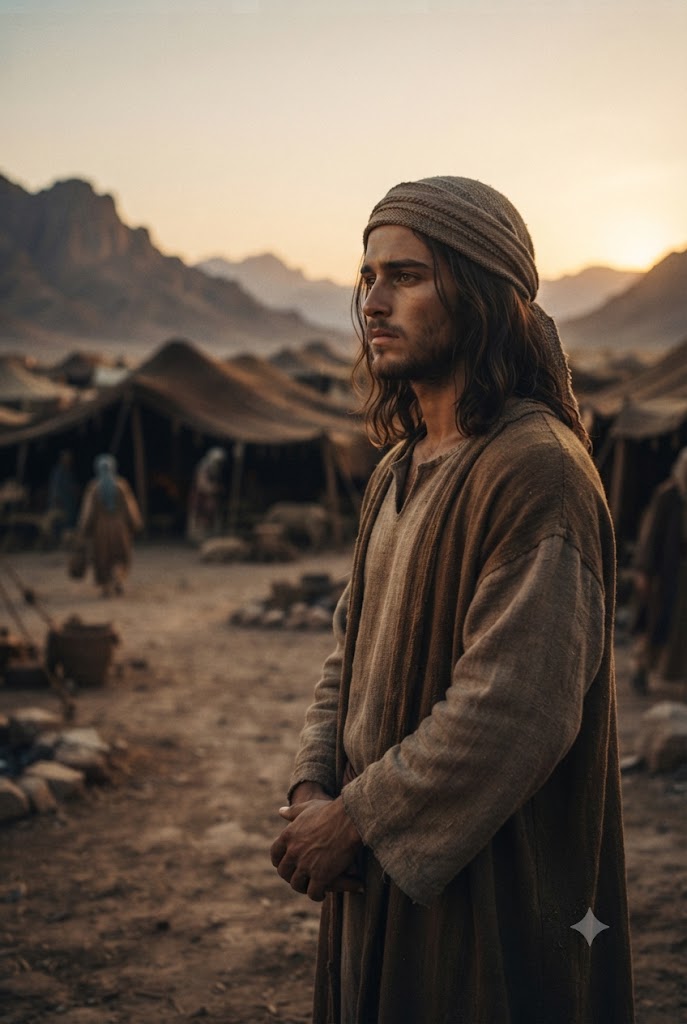
ACT ONE — The Three Vows of the Nazirite (verses 1–8)
“When either man or woman shall separate themselves to vow a vow of a Nazarite, to separate themselves unto the LORD: He shall separate himself from wine and strong drink… nor eat moist grapes, or dried.”
Separate himself from wine and strong drink. The Nazirite made three vows — to abstain from anything related to the grapevine, to never cut their hair, and to avoid contact with the dead. This was a way for an ordinary person to voluntarily apply the standard of holiness required of priests to themselves. Samson, Samuel, and John the Baptist were all either Nazirites or lived Nazirite-like lives.
“All the days of the vow of his separation there shall no razor come upon his head: until the days be fulfilled, in the which he separateth himself unto the LORD, he shall be holy.”
Separate himself unto the LORD. The hair was a visible sign — a symbol the whole community could recognize as marking a person’s special devotion.
ACT TWO — Contact with the Dead: Breaking and Restoring the Vow (verses 9–21)
“And if any man die very suddenly by him… he shall shave his head in the day of his cleansing… and the days that were before shall be lost, because his separation was defiled.”
Interestingly, if a Nazirite vow was broken, it did not end permanently. After a purification rite, the person could begin the period of the vow anew from the beginning. Failure did not mean final closure — a path of restoration and renewed devotion remained open.
ACT THREE — The Aaronic Blessing (verses 22–27)
This chapter closes with some of the most famous words of blessing in all of Scripture.
“The LORD bless thee, and keep thee: The LORD make his face shine upon thee, and be gracious unto thee: The LORD lift up his countenance upon thee, and give thee peace.”
The LORD make his face shine upon thee. Three short lines, yet carrying remarkable theological depth — protection (keep thee), grace (his face shine upon thee), and peace (lift up his countenance). This was never a mere formal greeting, but a prayer for God’s presence and favor to come specifically upon the hearer.
The chapter closes with a striking theological declaration.
“And they shall put my name upon the children of Israel; and I will bless them.”
And I will bless them. Though pronounced through the priest’s mouth, the one who actually gave the blessing was God Himself. This blessing remains widely used in Jewish and Christian worship to this day.
REFLECTION — Being Set Apart and Being Blessed Go Together
It is no accident that Numbers 6 places the Nazirite’s voluntary devotion and the Aaronic Blessing within a single chapter. A life set apart and given to God carries with it the light of His face and His peace.
In a life set apart and given to God, are you experiencing the light of His face and His peace?
NEXT EPISODE PREVIEW
Numbers Chapter 7 — the list of offerings brought by the twelve tribal leaders for the dedication of the tabernacle follows.
Tags: #Numbers6 #NaziriteVow #AaronicBlessing #TheLordMakeHisFaceShine #SamsonSamuelJohnTheBaptist #VoluntaryHoliness #Numbers #BibleDevotional #ChristianBlog #BibleStudy #OldTestament #Bible #Church #Devotion #Christianity #PriestlyBlessing #SetApartAndBlessed #DailyDevotional