PROLOGUE — A God Who Calls Back the Quarantined
If chapter 13 was about diagnosis and quarantine, chapter 14 tells the other half of the story. It follows the one who was sent outside the camp as they find their way back into the community.
This chapter is far more than a medical procedure. It carefully and thoroughly portrays the gracious journey of someone excluded being restored and welcomed back. God did not forget the one He sent outside the camp — instead, He prepared a specific, deliberate way for their return.
ACT ONE — The First Rite Outside the Camp: Two Birds (verses 1–9)
“This shall be the law of the leper in the day of his cleansing: He shall be brought unto the priest: And the priest shall go forth out of the camp; and the priest shall look, and, behold, if the plague of leprosy be healed in the leper.”
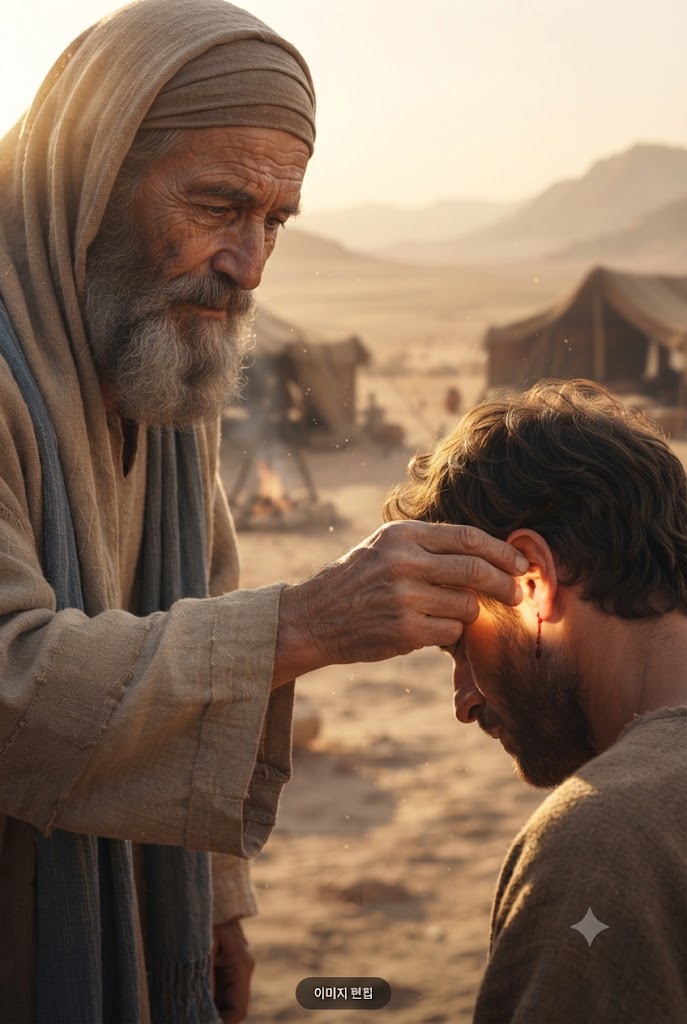
The priest shall go forth out of the camp. Notice this detail — the cleansed person did not come to the priest; the priest went out first, beyond the boundary. The first step toward restoration began with God’s representative crossing the line himself.
The ritual that followed was deeply symbolic.
“Then shall the priest command to take for him that is to be cleansed two birds alive and clean, and cedar wood, and scarlet, and hyssop… but he shall let the living bird loose into the open field.”
One bird dies; the other is released into the open field. This dramatic image carries rich theological weight. The death of one bird symbolized the cost of purification; the living bird set free symbolized restored freedom and new life. Cedar wood, scarlet thread, and hyssop — symbols that recur throughout Passover and purification rites — appear together here as well.
ACT TWO — Washing and Waiting: An Eight-Day Journey (verses 8–9)
“And he that is to be cleansed shall wash his clothes, and shave off all his hair, and wash himself in water, that he may be clean: and after that he shall come into the camp, and shall tarry abroad out of his tent seven days.”
Restoration was not instantaneous. He could enter the camp, but not yet his own tent — the most private space, full reunion with family — for seven more days.
“But it shall be on the seventh day, that he shall shave all his hair off his head and his beard and his eyebrows… and he shall wash his clothes, also he shall wash his flesh in water, and he shall be clean.”
A gradual restoration. God did not rush the man’s recovery. Time was granted for body and heart to be fully ready.
ACT THREE — Guilt Offering, Anointing, Complete Restoration (verses 10–20)
On the eighth day, the most elaborate ceremony unfolded.
“And the priest that maketh him clean shall present the man that is to be made clean, and those things, before the LORD… And the priest shall take some of the blood of the trespass offering, and the priest shall put it upon the tip of the right ear of him that is to be cleansed, and upon the thumb of his right hand, and upon the great toe of his right foot.”
Blood on the ear, thumb, and toe. This was the exact same ritual performed on Aaron and his sons at their ordination as priests (Leviticus 8). In this moment, the cleansed leper experienced restoration to a holy status nearly equivalent to priesthood — his ear set apart to hear God’s word, his hand to do God’s work, his foot to walk God’s path.
The anointing with oil followed.
“And the priest shall pour of the oil into the palm of his own left hand… and put of the oil that is in his hand upon the tip of the right ear of him that is to be cleansed… and the priest shall put the rest of the oil that is in his hand upon the head of him that is to be cleansed, to make an atonement for him before the LORD.”
Blood and oil — a double symbol of atonement and consecration. He was not merely healed of disease; he was re-established as a holy person set apart before God.
ACT FOUR — Leprosy in a House, Provision for the Poor (verses 21–57)
Remarkably, the latter part of this chapter addresses mold or decay appearing even within houses.
“When ye be come into the land of Canaan, which I give to you for a possession, and I put the plague of leprosy in a house of the land of your possession.”
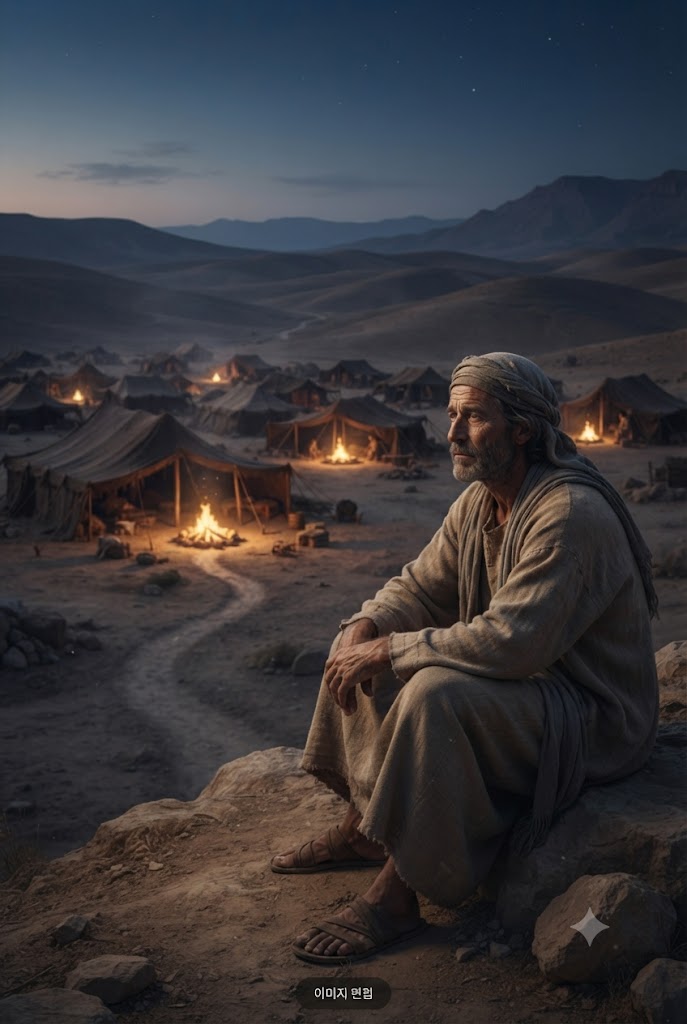
Notably, this regulation is given in future tense — “when ye be come into the land of Canaan.” Israel was still in the wilderness, yet God was already preparing, in meticulous detail, for their life in the land they had not yet entered.
And once more, provision for the poor is repeated.
“And if he be poor, and cannot get so much; then he shall take one lamb for a trespass offering… and two turtledoves, or two young pigeons, such as he is able to get.”
The same principle as the birth regulations of chapter 12 — the path to approach God was never determined by financial means.
REFLECTION — Grace Prepares the Way Back
The greatest comfort of Leviticus 14 is this: God did not forget the one He sent outside the camp. Instead, the priest himself crossed the boundary to prepare an elaborate, beautiful path toward restoration.
This foreshadows the gospel of the New Testament. When we were distanced from God by sin, Christ Himself came to where we were. Through His blood and the anointing of the Spirit, He restored us to a holy status once again.
If someone in your life is still standing “outside the camp,” could you be the one to cross that boundary first?
NEXT EPISODE PREVIEW
Leviticus Chapter 15 — purification regulations concerning bodily discharges follow. God’s meticulous attention, extending even to the most ordinary states of the human body, continues in the next episode.
Tags: #Leviticus14 #LeprosyCleansingRite #TwoBirds #CedarScarletHyssop #SameRiteAsPriestlyOrdination #LeprosyInAHouse #Leviticus #BibleDevotional #ChristianBlog #BibleStudy #OldTestament #Bible #Church #Devotion #Christianity #JourneyOfRestoration #AtonementAndConsecration #ProvisionForThePoor #PathOfGrace #DailyDevotional