PROLOGUE — A Long-Standing Promise Completed as Actual Geography
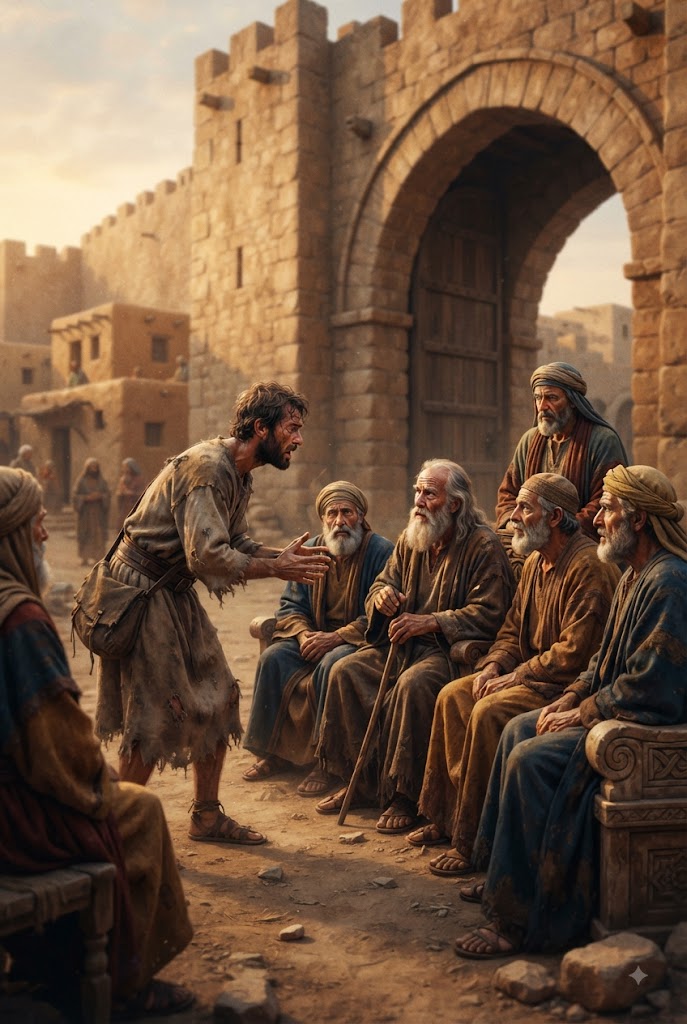
Joshua 20 records the moment when the cities-of-refuge system, already regulated in detail in Numbers 35 and Deuteronomy 19, is now designated as six specific cities in the actual land of Canaan.
ACT ONE — God’s Command to Reaffirm (verses 1–6)
“The LORD also spake unto Joshua, saying, Speak to the children of Israel, saying, Appoint out for you cities of refuge, whereof I spake unto you by the hand of Moses: That the slayer that killeth any person unawares and unwittingly may flee thither: and they shall be your refuge from the avenger of blood.”
Whereof I spake unto you by the hand of Moses. This command was not entirely new — it was the actual implementation of a regulation already given in the wilderness. Now that the conquest was complete and the land divided, it was finally time for that ancient promise to be realized in a specific place.
The procedure is once more clearly explained.
“And when he that doth flee unto one of those cities shall stand at the entering of the gate of the city, and shall declare his cause in the ears of the elders of that city, they shall take him into the city unto them… until he stand before the congregation for judgment… and dwell in that city.”
Until he stand before the congregation. A city of refuge was never an unconditional hiding place — it was a mechanism of procedural justice, providing time and a place for a fair trial.
ACT TWO — The Six Cities of Refuge Actually Designated (verses 7–9)
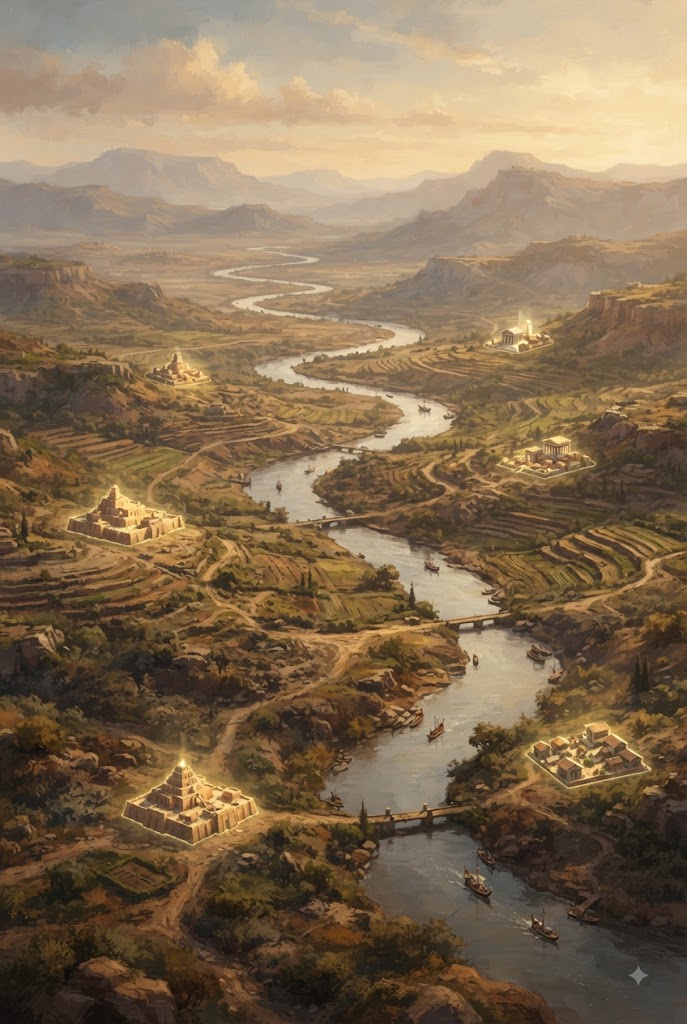
“And they appointed Kedesh in Galilee in mount Naphtali, and Shechem in mount Ephraim, and Kirjatharba, which is Hebron, in the mountain of Judah. And on the other side Jordan by Jericho eastward, they assigned Bezer in the wilderness upon the plain out of the tribe of Reuben, and Ramoth in Gilead out of the tribe of Gad, and Golan in Bashan out of the tribe of Manasseh.”
Three on this side of the Jordan, three on the other. These six cities were carefully placed geographically — three on each side of the Jordan, distributed evenly across south, central, and north. This was a practical geography of justice, designed so that no matter where in Israel an accidental killing occurred, the person could reach a city of refuge within a reasonable distance.
The text once more emphasizes the universal application of this system.
“These were the cities appointed for all the children of Israel, and for the stranger that sojourneth among them, that whosoever killeth any person at unawares might flee thither, and not die by the hand of the avenger of blood, until he stood before the congregation.”
For all the children of Israel, and for the stranger among them. This protection applied equally not only to Israel’s own people, but to foreigners living among them — justice had to be provided based on a person’s circumstance, not their bloodline.
REFLECTION — When a Promise Becomes Geography
What Joshua 20 shows us is that God’s long-standing promises never remain abstract — they are completed as actual, specific places on a real map. The regulation given in the wilderness had now become six cities one could actually walk to.
Do you trust that a promise God gave you long ago is now being concretely fulfilled in your actual life?
NEXT EPISODE PREVIEW
Joshua Chapter 21 — the forty-eight cities appointed for the Levites are designated, completing the entire land division section.
Tags: #Joshua20 #CitiesOfRefugeDesignated #UntilHeStandBeforeTheCongregation #ThreeOnEachSideOfJordan #ForIsraelAndTheStranger #GeographyOfJustice #Joshua #BibleDevotional #ChristianBlog #BibleStudy #OldTestament #Bible #Church #Devotion #Christianity #FulfillmentOfNumbers35Deuteronomy19 #WhenAPromiseBecomesGeography #DailyDevotional