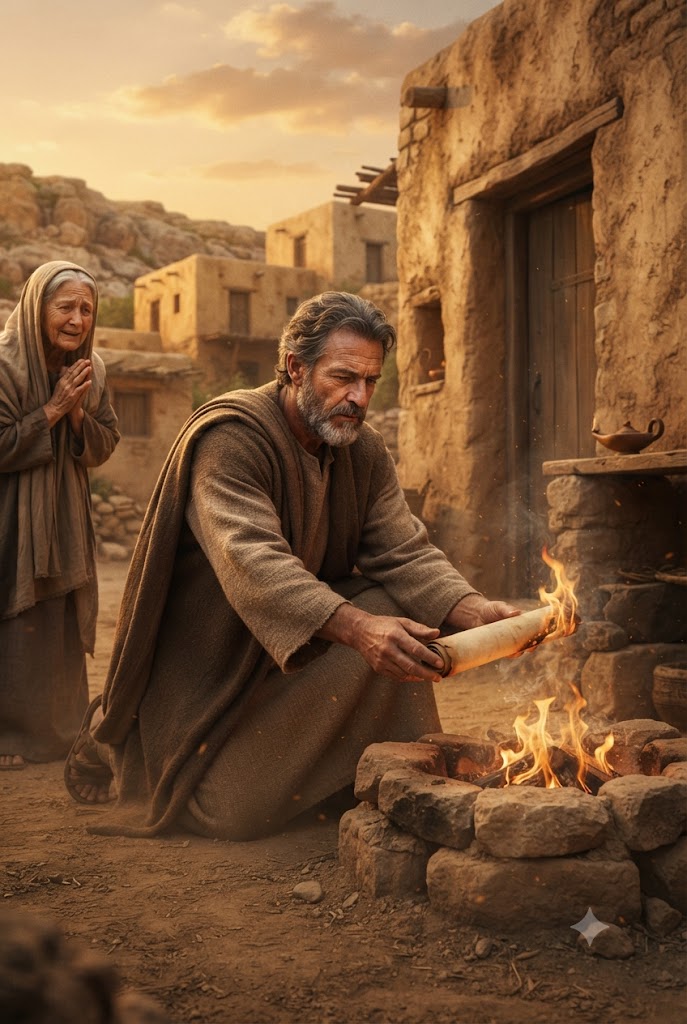
PROLOGUE — Periodic Liberation from Economic Bondage
Deuteronomy 15 expands the Sabbath year principle of Leviticus 25 into practical economic justice within Israelite society. This chapter’s core addresses two things — debt cancellation in the seventh year, and the release of bondservants — and both institutions reveal God’s careful concern for preventing poverty and servitude from becoming permanently fixed.
ACT ONE — Debt Cancellation in the Seventh Year (verses 1–11)
“At the end of every seven years thou shalt make a release. And this is the manner of the release: Every creditor that lendeth ought unto his neighbour shall release it; he shall not exact it of his neighbour, or of his brother; because it is called the LORD’s release.”
At the end of every seven years thou shalt make a release. This system granted genuinely substantial economic freedom to indebted neighbors. Every seven years, all debts incurred within Israel had to be completely cancelled.
But Moses precisely foresaw and warned against humanity’s calculating heart.
“Beware that there be not a thought in thy wicked heart, saying, The seventh year, the year of release, is at hand; and thine eye be evil against thy poor brother, and thou givest him nought; and he cry unto the LORD against thee, and it be sin unto thee.”
The year of release is at hand… and thou givest him nought. Moses precisely anticipated the very real risk that people would grow reluctant to lend as the release year approached. And he warned firmly against this selfish calculation.
“Thou shalt surely give him, and thine heart shall not be grieved when thou givest unto him: because that for this thing the LORD thy God shall bless thee in all thy works… For the poor shall never cease out of the land: therefore I command thee, saying, Thou shalt open thine hand wide unto thy brother, to thy poor, and to thy needy, in thy land.”
ACT TWO — The Release of Bondservants, and Generous Provision (verses 12–18)
“And if thy brother, an Hebrew man, or an Hebrew woman, be sold unto thee, and serve thee six years; then in the seventh year thou shalt let him go free from thee. And when thou sendest him out free from thee, thou shalt not let him go away empty: Thou shalt furnish him liberally out of thy flock, and out of thy floor, and out of thy winepress.”
Thou shalt not let him go away empty. This provision extends the servant-release regulation of Exodus 21 in a far more generous direction. Releasing a servant simply into freedom was not enough — he had to be given actual resources as well, so that he would not fall back into poverty.
And the theological basis for this generosity is given.
“And thou shalt remember that thou wast a bondman in the land of Egypt, and the LORD thy God redeemed thee: therefore I command thee this thing to day.”
Thou shalt remember that thou wast a bondman. Israel’s own experience of slavery was the theological and ethical foundation for their generosity toward others.

ACT THREE — Set Apart the Firstborn Males (verses 19–23)
This chapter closes with the regulation of setting apart firstborn livestock to God.
“All the firstling males that come of thy herd and of thy flock thou shalt sanctify unto the LORD thy God: thou shalt do no work with the firstling of thy bullock, nor shear the firstling of thy sheep. Thou shalt eat it before the LORD thy God year by year in the place which the LORD shall choose, thou and thy household.”
This recalls once more the principle already established in Exodus 13 — that the firstborn, saved on the night of Passover, must be given to God — closing out the spirit of generous sharing that runs through the whole of Deuteronomy 15.
REFLECTION — The Generosity of Those Who Remember Grace
The most powerful message Deuteronomy 15 gives us is that remembering the grace we have received must become the fundamental driving force behind generosity toward others. Remembering that Israel had once been slaves and had been set free, they, too, could generously set others free.
Do you, remembering the grace you have received from God, offer uncalculated generosity to others?
NEXT EPISODE PREVIEW
Deuteronomy Chapter 16 — the regulations of the three feasts, Passover, the Feast of Weeks, and the Feast of Tabernacles, are organized once more.
Tags: #Deuteronomy15 #ReleaseInTheSeventhYear #ThouShaltSurelyGiveHim #ReleasingBondservantsNotEmptyHanded #RememberThatThouWastABondman #SetApartTheFirstbornMales #Deuteronomy #BibleDevotional #ChristianBlog #BibleStudy #OldTestament #Bible #Church #Devotion #Christianity #GenerosityThatRemembersGrace #EconomicJustice #DailyDevotional