PROLOGUE — Remembering Through Sacred Festivals
Leviticus 23 lays out Israel’s seven appointed feasts in sequence. These were never mere festivals — they formed a living calendar in which the entirety of God’s redemptive history was woven into the rhythm of the year. From spring to autumn, each feast both recalled past deliverance and foreshadowed a greater redemption yet to come.
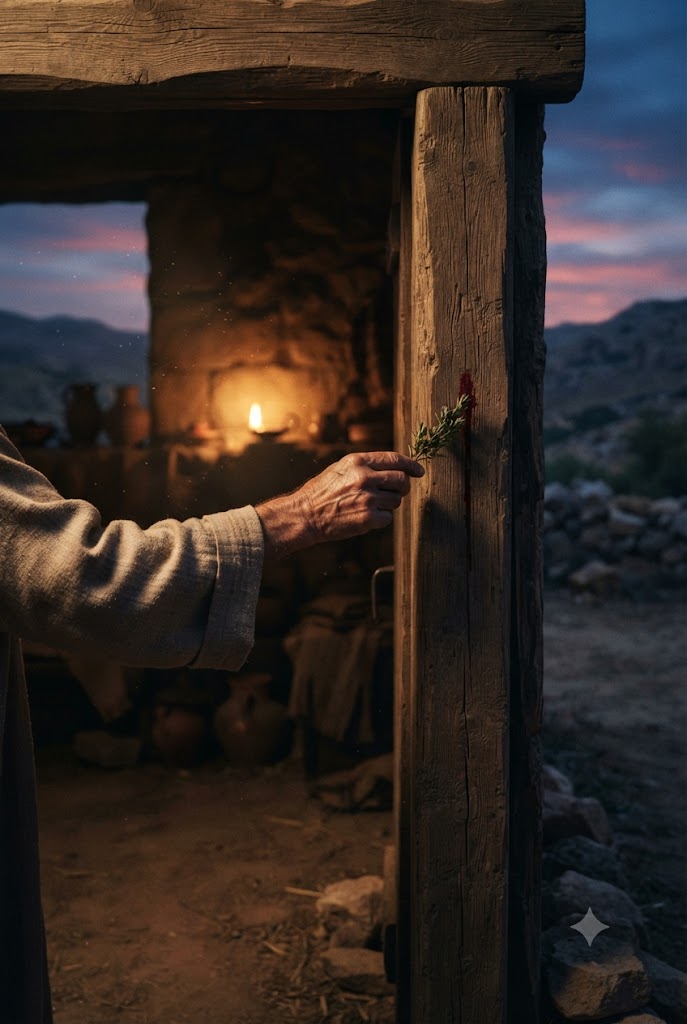
ACT ONE — Passover and Unleavened Bread (verses 4–8)
“In the fourteenth day of the first month at even is the LORD’s passover. And on the fifteenth day of the same month is the feast of unleavened bread unto the LORD: seven days ye must eat unleavened bread.”
Passover. The feast commemorating deliverance from Egypt. That night the blood of the lamb was placed on the doorposts and the judgment of death passed over — the foundational identity of Israel’s history was engraved into this feast.
ACT TWO — Firstfruits and the Feast of Weeks (verses 9–22)
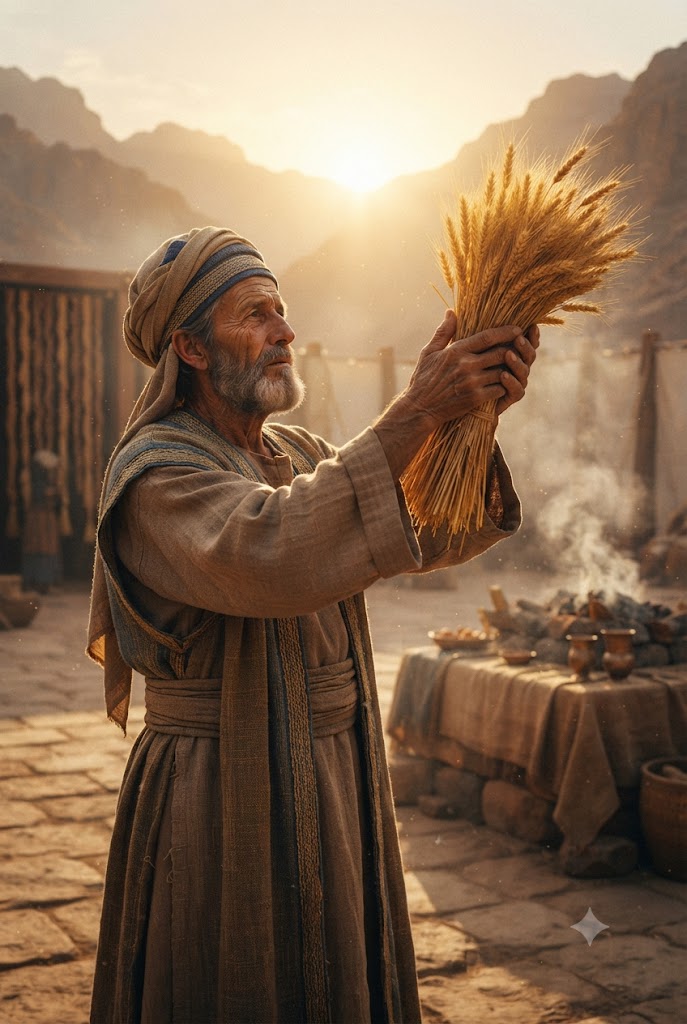
“Ye shall bring a sheaf of the firstfruits of your harvest unto the priest: And he shall wave the sheaf before the LORD… on the morrow after the sabbath.”
A sheaf of the firstfruits. 1 Corinthians 15:20 describes Christ as “the firstfruits of them that slept.” The risen Christ was, quite literally, the theological fulfillment of this rite performed on the Feast of Firstfruits — His resurrection the first of all resurrections yet to come.
“And ye shall count unto you from the morrow after the sabbath… seven sabbaths shall be complete: Even unto the morrow after the seventh sabbath shall ye number fifty days; and ye shall offer a new meat offering unto the LORD.”
The Feast of Weeks (Pentecost) was the very feast on which the Spirit descended in Acts 2. God wove the beginning of the new covenant precisely into the appointed date of this feast.
ACT THREE — Trumpets, the Day of Atonement, and Tabernacles (verses 23–44)
Three feasts converge in the seventh month: the Feast of Trumpets (a call to awakening and repentance), the Day of Atonement (the holiest day, already addressed in Leviticus 16), and the Feast of Tabernacles.
“Ye shall dwell in booths seven days… That your generations may know that I made the children of Israel to dwell in booths, when I brought them out of the land of Egypt.”
Dwell in booths. A feast that recalled the temporary dwellings of the wilderness years, ensuring that even in the season of abundant harvest, the people would not forget their total dependence on God. Jesus Himself went up to Jerusalem for this very feast in John 7.
REFLECTION — Time Itself Becomes an Act of Worship
What Leviticus 23 reveals is that God made Israel’s very sense of time holy. Within the rhythm of the year, the people repeatedly relived God’s story of salvation. The sequence of these feasts — Passover, Firstfruits, Pentecost, the Day of Atonement, Tabernacles — foreshadows with striking precision the death of Christ, His resurrection, the descent of the Spirit, and the future feast of God’s completed kingdom.
Is there sacred time within the rhythm of your own year, time set apart to remember God’s story of salvation?
NEXT EPISODE PREVIEW
Leviticus Chapter 24 — the lamp of the sanctuary, the bread of the Presence, and a solemn case of blasphemy follow.
Tags: #Leviticus23 #FeastsOfTheLord #Passover #Firstfruits #FeastOfWeeksPentecost #FeastOfTrumpets #DayOfAtonement #FeastOfTabernacles #Leviticus #BibleDevotional #ChristianBlog #BibleStudy #OldTestament #Bible #Church #Devotion #Christianity #1Corinthians15 #Acts2 #DailyDevotional