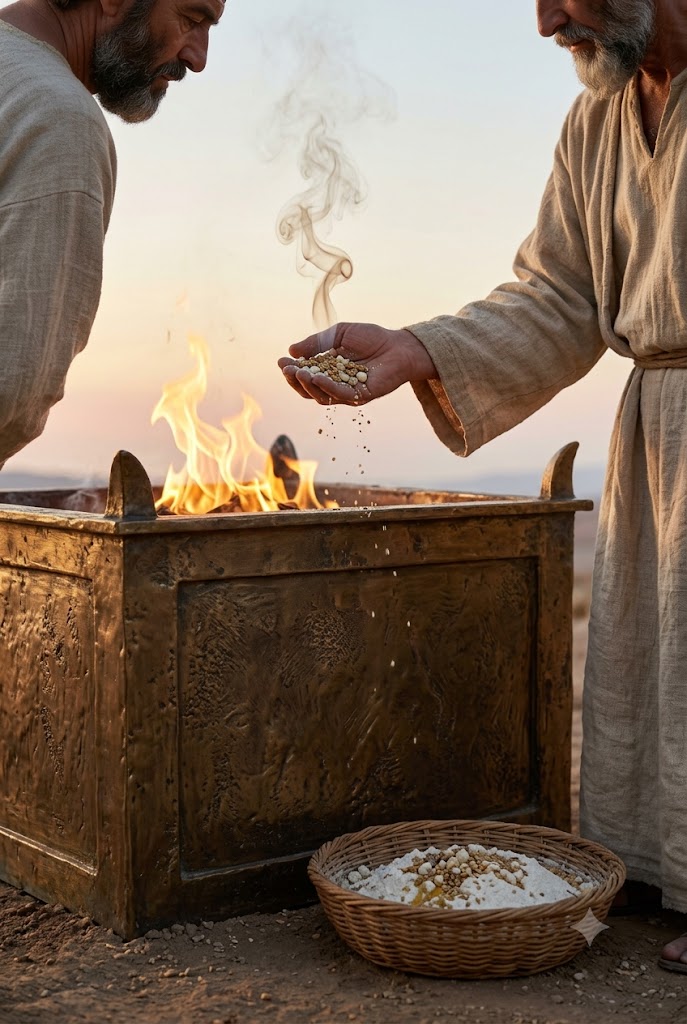
Leviticus is the third book of the Bible, and it is set right after the Israelites, who had been slaves, escaped Egypt and arrived at the foot of Mount Sinai. God invited them into a covenant relationship, but they quickly rebelled and broke the covenant. God, wanting His glorious presence to dwell among Israel, came in the form of the Tabernacle, but because of their sin, this relationship was damaged—so much so that at the end of Exodus, Moses couldn’t even enter the Tent of Meeting. “How can an Israelite, full of sin and selfishness, ever reconcile with a holy God?” That is the foundational question Leviticus sets out to answer.
To understand this book, we first need to look at the crucial concept of “holiness.” Holiness means being set apart or unique. In the Bible, God is set apart from everything else because He is the Creator of all things and the Sustainer of life. Therefore, the space around God’s holy presence is also holy, overflowing with goodness, life, purity, and justice. Thus, for unrighteous and sinful Israel to live within God’s holy presence, they needed to become holy; in other words, their sin needed to be resolved. That is the role of Leviticus.
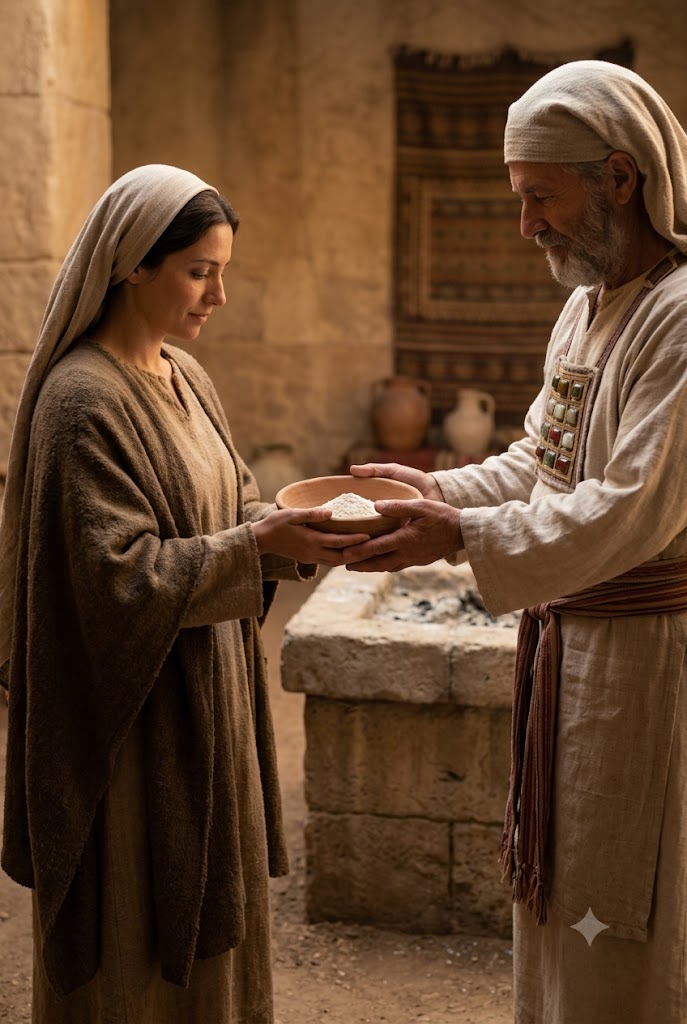
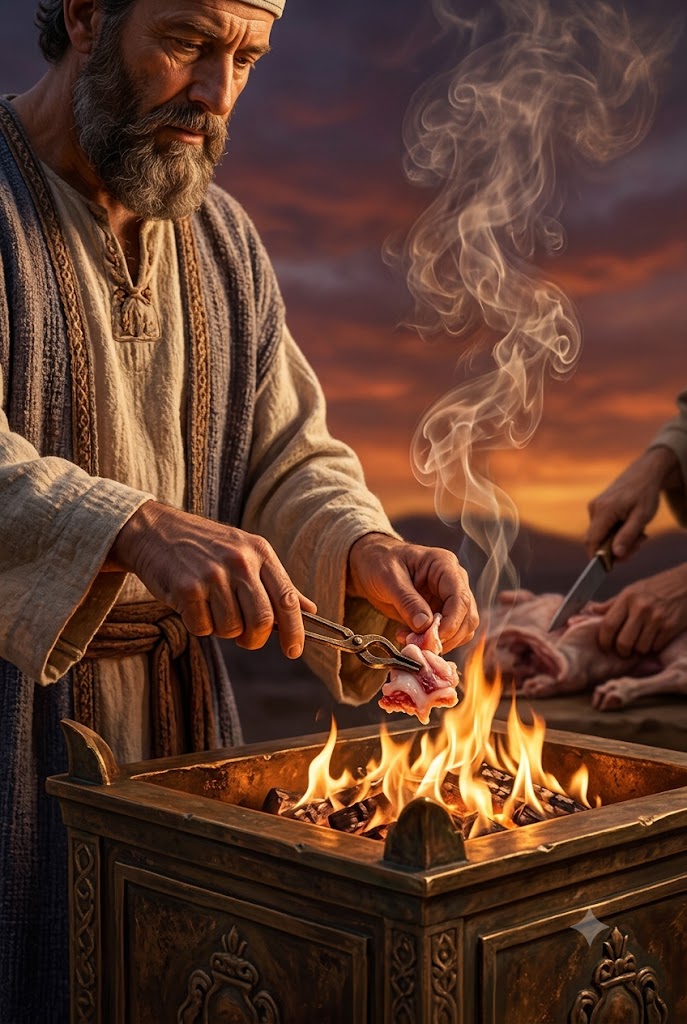
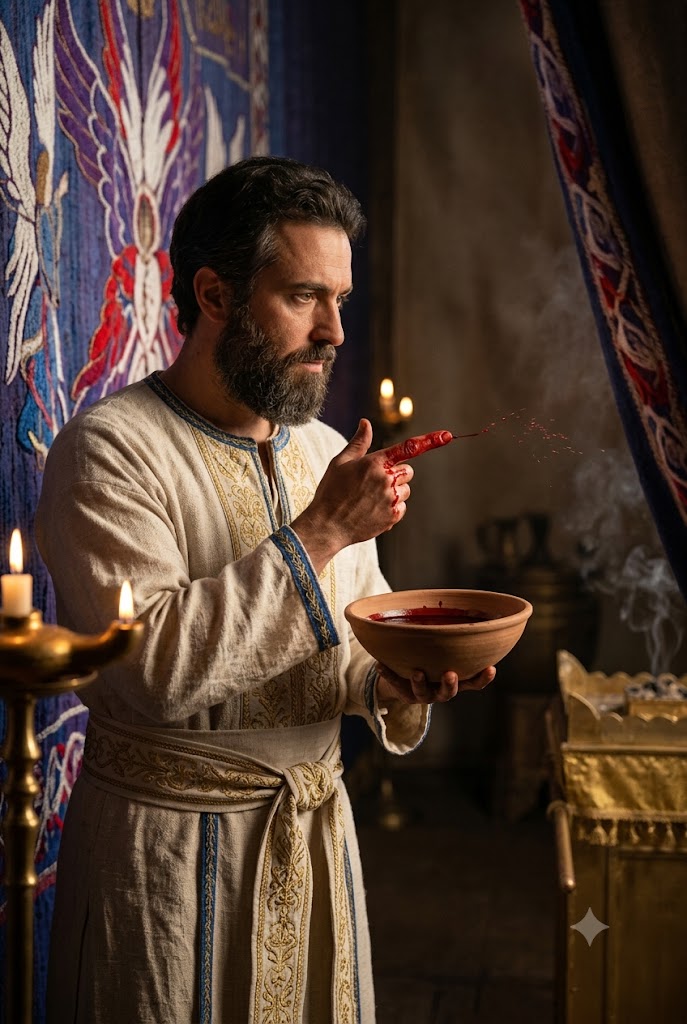
This book has a remarkably symmetrical design. It presents three main ways for Israel to dwell in God’s presence. The outer sections at the beginning and the end describe the rituals Israel had to perform in God’s holy presence. The first part explains the five sacrificial rituals: two are symbolic sacrifices returned to God in gratitude for what they received, while the other three are different ways to make atonement for sin before God. When the Israelites offered the blood of a living animal, they confessed that their sin brought more evil and death into God’s good world. However, wanting to forgive rather than destroy them, God symbolically had the animal die to atone for humans—essentially covering their sin.
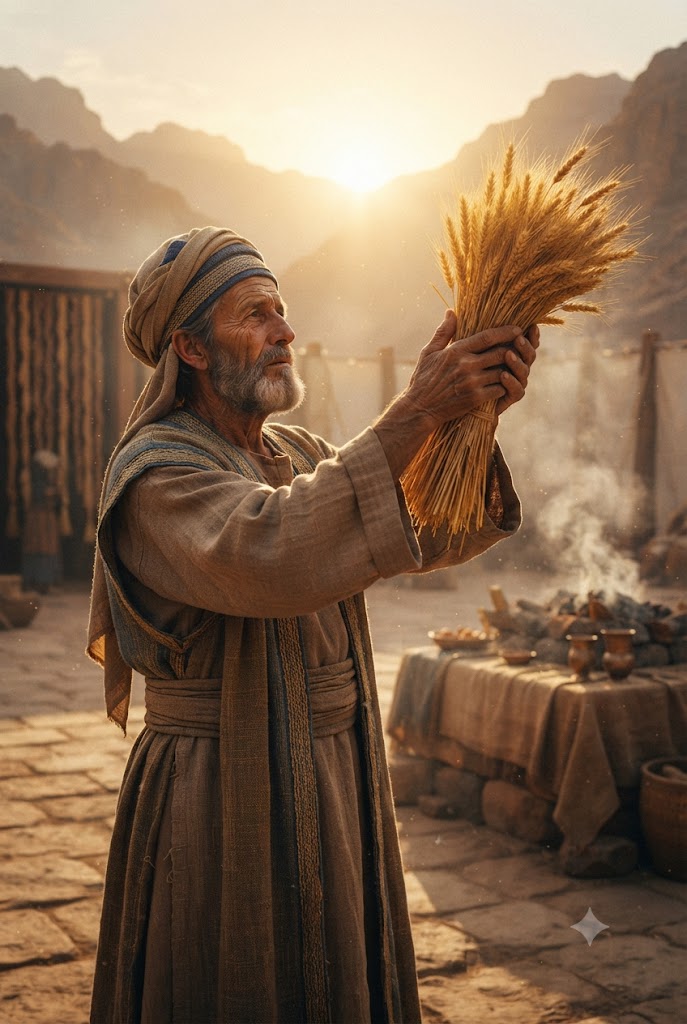
The second part of the rituals covers Israel’s seven annual festivals. Each festival tells the story of how God rescued them from slavery in Egypt, led them through the wilderness, and brought them into the promised land. By regularly celebrating these festivals, Israel remembered who they were and who God was to them.
Next comes the section concerning the priests of Israel. Aaron and his sons were consecrated for the first time to approach God’s presence on behalf of Israel, and the text explains the qualifications a priest needed to meet. Priests were required to have the highest level of moral and ritual purity because they represented God to the people and the people to God. In fact, right after the consecration of Aaron’s family, his two sons died on the spot for violating God’s holy presence regulations—a terrifying paradox of living in God’s holy presence. His holiness is sheer goodness, but anyone who defies and insults it places themselves in grave danger.
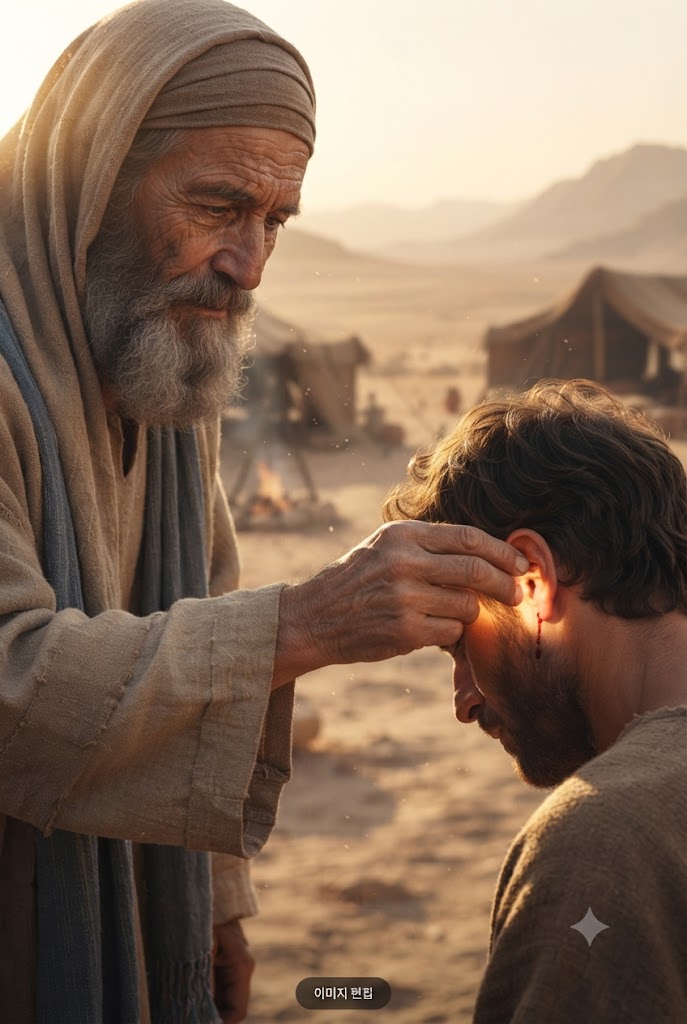
Following this, the text explains the ritual purity required for all Israelites (chapters 11 through 15) and moral purity (chapters 18 through 20). Looking at the concepts of “clean” and “unclean”: God is holy and set apart, so to enter His presence, Israel had to make themselves holy, which is called being clean or pure. Conversely, anyone who was not holy could not approach God’s presence, which is called being unclean or defiled. Israelites became unclean by coming into contact with bodily fluids, skin diseases, mold or bacteria, or by touching death. All of these are connected to death, meaning the loss of life, carrying an important symbol: whoever touched death contracted it and became unclean. Death is opposed to God’s holiness because His very essence is life. The core point is that uncleanness is neither a sin nor a moral wrong. These contacts happen naturally in daily life, and uncleanness is only temporary, ending after a certain period. The actual sin and wrong was carrying these symbols of death and uncleanness right into God’s presence. Additionally, certain animals were forbidden to be eaten, introducing the Jewish dietary laws of kosher. Through these detailed cultural symbols, the Israelites were reminded that God’s holiness affects every single area of life.
Corresponding to this on the other side is moral purity. God asked Israel to live differently from the Canaanite nations: they were not to ignore the poor, they had to be sexually pure, and they were to practice justice throughout society.
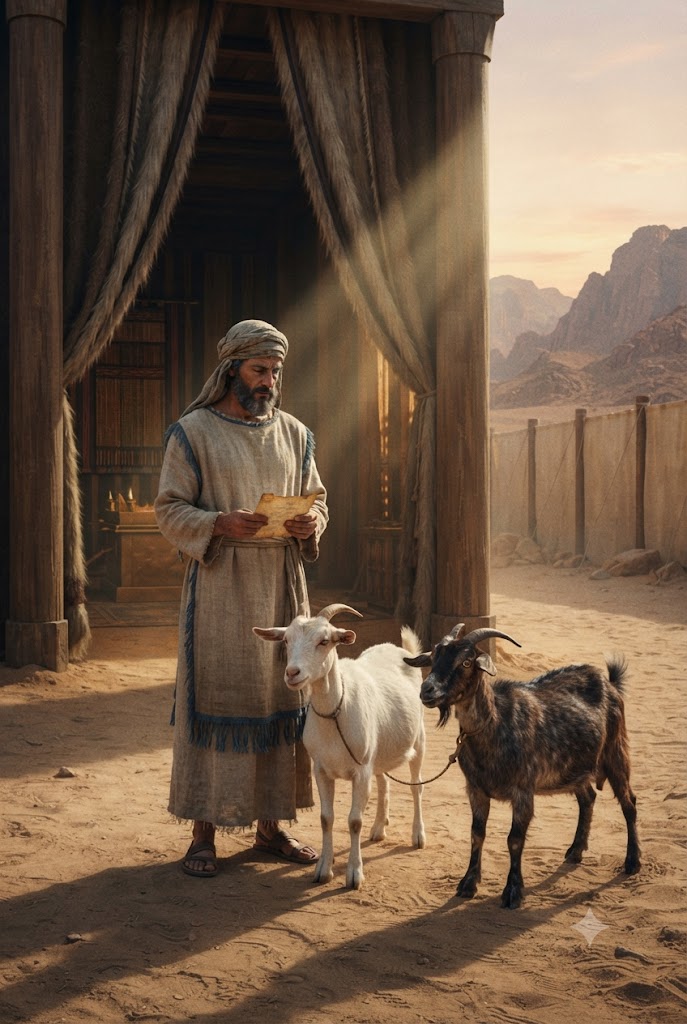
At the very center of the book is Israel’s core regulation: the Day of Atonement. Because someone among the people might have sinned or disobeyed without bringing a sacrifice, the High Priest would take two goats once a year—offering one as a sin offering for the people and using the other as the scapegoat. The priest would confess Israel’s sins, put them onto the goat, and send it away into the wilderness. This symbolic ritual showed God’s deep desire to wipe away the people’s sin and its consequences so they could live in fellowship with Him.
Leviticus concludes with Moses urging the people to faithfully keep the covenant. He warned that to experience the blessings of peace and prosperity given by God, they must keep all these laws; but if they disobeyed and defiled God’s holiness, it would bring disaster, namely being exiled from the land promised to Abraham.
Want to know the role Leviticus plays in the entire Bible? Look at the very first sentence of the next book, Numbers: “The Lord spoke to Moses from the Tent of Meeting.” Now, Moses could approach God’s presence representing Israel. That is what Leviticus accomplished: despite Israel’s failure, God provided a way to cover their sin and restore fellowship with Himself, and Leviticus was the book about that very way.
Tags: #Leviticus #BookOfLeviticus #Holiness #DayOfAtonement #Sacrifice #Priesthood #Aaron #CleanAndUnclean #BibleOverview #BibleStudy #KJVBible #Christian #Christianity #BibleStory #OldTestament #GodsPresence #Atonement #BibleSummary #FaithJourney #Covenant