PROLOGUE — Protection Set Alongside the Justice of Chapter 27
Numbers 30 addresses regulations concerning vows — voluntary promises made to God. This chapter explains in detail the authority a father or husband held, depending on a woman’s stage of life, either to confirm or nullify a vow she had made.
ACT ONE — The Absolute Weight of a Vow (verses 1–2)
“If a man vow a vow unto the LORD, or swear an oath to bind his soul with a bond; he shall not break his word, he shall do according to all that proceedeth out of his mouth.”
He shall not break his word… according to all that proceedeth out of his mouth. The principle opening this chapter is remarkably strict — once a vow was spoken, it carried absolute binding force. This was a fundamental principle regarding the sanctity of speech. Words spoken before God could never be treated lightly.
ACT TWO — The Vow of a Daughter Still in Her Father’s House (verses 3–5)
“If a woman also vow a vow unto the LORD, and bind herself by a bond, being in her father’s house in her youth; And her father hear her vow, and her bond wherewith she hath bound her soul, and her father shall hold his peace at her… But if her father disallow her in the day that he heareth; not any of her vows, or of her bonds wherewith she hath bound her soul, shall stand: and the LORD shall forgive her, because her father disallowed her.”
If her father disallows on the very day he hears it. There was an interesting time limit — a father could exercise the authority to nullify a vow only on the very day he heard of it. Once time passed into silence, the vow became binding.

ACT THREE — The Vow of a Married Woman (verses 6–16)
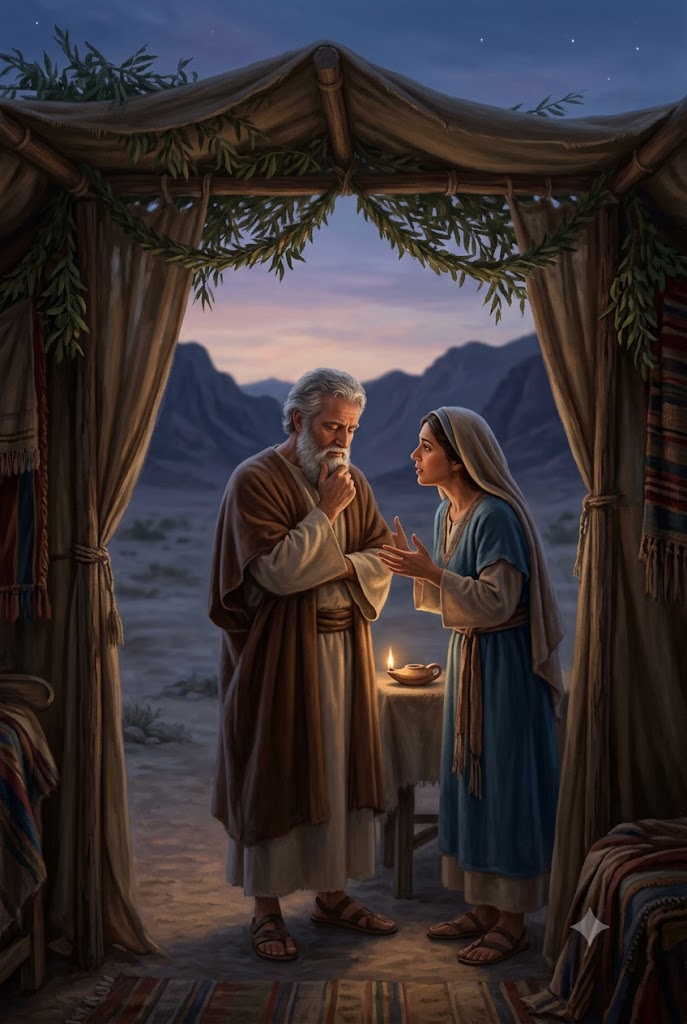
“And if she had at all an husband, when she vowed, or uttered ought out of her lips, wherewith she bound her soul… And her husband heard it, and held his peace at her… then her vows shall stand.”
The same principle applied to a married woman — her husband held the authority to confirm or nullify her vow the moment he heard of it. But if the husband changed his mind later, he bore his own sin, not his wife’s.
“But if her husband hath utterly made them void on the day he heard them; then whatsoever proceeded out of her lips concerning her vows, or concerning the bond of her soul, shall not stand: her husband hath made them void; and the LORD shall forgive her… If he shall any ways make them void after that he hath heard them; then he shall bear her iniquity.”
Then he shall bear her iniquity. This verse reveals an important balance — authority always carried responsibility alongside it. If a husband intervened late to nullify a vow, the consequence of that decision fell upon him, not upon his wife.
ACT FOUR — The Vow of a Widow or Divorced Woman (verse 9)
“But every vow of a widow, and of her that is divorced, wherewith they have bound their souls, shall stand against her.”
Shall stand — for the widow and divorced woman. This was a deeply significant exception. A woman no longer under the protection (or constraint) of a father or husband held complete autonomy over her own vows. Her word was entirely her own, and she bore responsibility for it herself.
REFLECTION — The Weight of Words, and Shared Responsibility
What Numbers 30 teaches us is that words carry weight. The promises we make before God can never be treated lightly. And within the community of a family, that weight is often shared and carried together. Yet in no relationship was one person’s honest word ever treated as trivial.
Do you keep the promises you have made before God and others with the weight they deserve, rather than treating them lightly?
NEXT EPISODE PREVIEW
Numbers Chapter 31 — the war against Midian, and the final end of Balaam, are recorded.
Tags: #Numbers30 #AbsoluteWeightOfAVow #AccordingToWhatProceededFromHerMouth #AuthorityOfFatherAndHusband #WidowAndDivorcedWomanShallStand #HeShallBearHerIniquity #Numbers #BibleDevotional #ChristianBlog #BibleStudy #OldTestament #Bible #Church #Devotion #Christianity #SanctityOfSpokenWords #SharedResponsibility #DailyDevotional