PROLOGUE — Obedience and Disobedience, a Choice Laid Before Them
Leviticus 26 serves as the conclusion to the entire body of Sinai covenant regulations. It sets before Israel two roads with unmistakable clarity — the abundant blessing that follows obedience, and the gradually intensifying curse that follows disobedience. This is far more than a rulebook; it is a solemn declaration of just how serious the covenant relationship truly was.

ACT ONE — The Blessing of Obedience (verses 1–13)
“If ye walk in my statutes, and keep my commandments, and do them… Then I will give you rain in due season, and the land shall yield her increase, and the trees of the field shall yield their fruit… And your threshing shall reach unto the vintage, and the vintage shall reach unto the sowing time.”
Your threshing shall reach unto the vintage. A harvest so abundant that it overlapped into the next season’s labor. God’s blessing was never merely sufficient — it overflowed.
And the pinnacle of blessing surpasses material abundance altogether.
“And I will set my tabernacle among you: and my soul shall not abhor you. And I will walk among you, and will be your God, and ye shall be my people.”
And I will walk among you. The ultimate pinnacle of every blessing was never material, but God’s own presence. As God walked with Adam in the garden of Eden (Genesis 3:8), the ultimate goal of the covenant was intimate fellowship between God and His people.
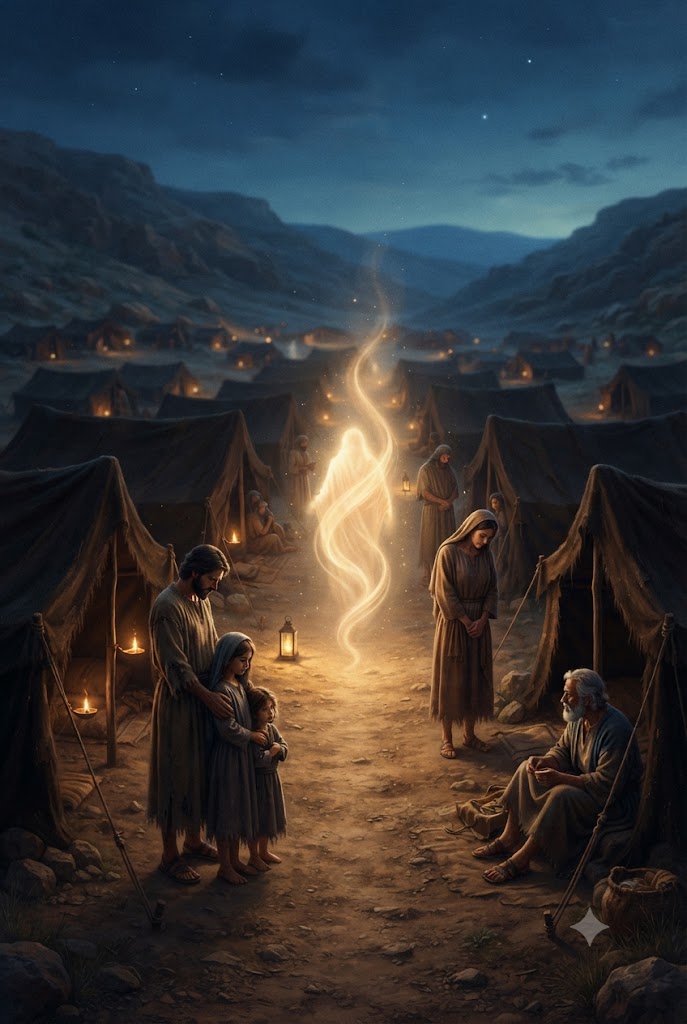
ACT TWO — The Curse of Disobedience, Sevenfold (verses 14–39)
The tone shifts abruptly.
“But if ye will not hearken unto me, and will not do all these commandments… And if ye will not yet for all this hearken unto me, then I will punish you yet seven times more for your sins.”
I will punish you yet seven times more. This phrase recurs repeatedly throughout the passage. The curse did not arrive all at once — it deepened gradually, in stages, with repeated opportunities for repentance built in. God did not desire immediate destruction. At every stage, He waited for the people to turn back.
One of the most despairing images in Scripture appears here.
“And ye shall eat the flesh of your sons, and the flesh of your daughters shall ye eat.”
This foretold the horrific outcome of extreme famine under siege, and it was later literally fulfilled during the siege of Jerusalem (2 Kings 6, Lamentations 4). God’s warnings were never exaggerated rhetoric.
ACT THREE — Yet Even So, a Covenant Remembered (verses 40–46)
After the most despairing list of curses imaginable, this chapter turns toward unexpected hope.
“If they shall confess their iniquity, and the iniquity of their fathers, with their trespass which they trespassed against me… And yet for all that, when they be in the land of their enemies, I will not cast them away, neither will I abhor them, to destroy them utterly, and to break my covenant with them: for I am the LORD their God… But I will for their sakes remember the covenant of their ancestors.”
I will for their sakes remember the covenant. Despite Israel’s failure, God’s faithfulness never wavered. Even in judgment, total destruction was never God’s final intention. The door to restoration always remained open.
REFLECTION — The Seriousness of Relationship
What Leviticus 26 teaches us is that a relationship with God is never a trivial matter. Obedience brings genuine joy and presence; disobedience brings genuine consequence. Yet beyond all of it, God’s covenant faithfulness is greater than human failure.
Do you hold both truths together — that obedience and disobedience are never trivial matters, and that God’s faithfulness is greater than your failure?
NEXT EPISODE PREVIEW
Leviticus Chapter 27 — the final chapter of Leviticus, concluding this great book with regulations concerning vows and dedicated offerings.
Tags: #Leviticus26 #BlessingsAndCursesOfTheCovenant #SevenTimesMore #IWillRememberTheCovenant #GodsFaithfulness #Leviticus #BibleDevotional #ChristianBlog #BibleStudy #OldTestament #Bible #Church #Devotion #Christianity #WalkingInEden #DoorOfRestoration #DailyDevotional