PROLOGUE — Holiness Walking Down Into Everyday Life
Leviticus 19 may be considered the theological heart of the entire book. It opens with the declaration “Ye shall be holy: for I the LORD your God am holy,” and then shows that this holiness must be realized not within the sanctuary alone, but in the field, the marketplace, in relationships with neighbors, and in attitudes toward the poor.
ACT ONE — A Field Left for the Poor and the Stranger (verses 1–10)
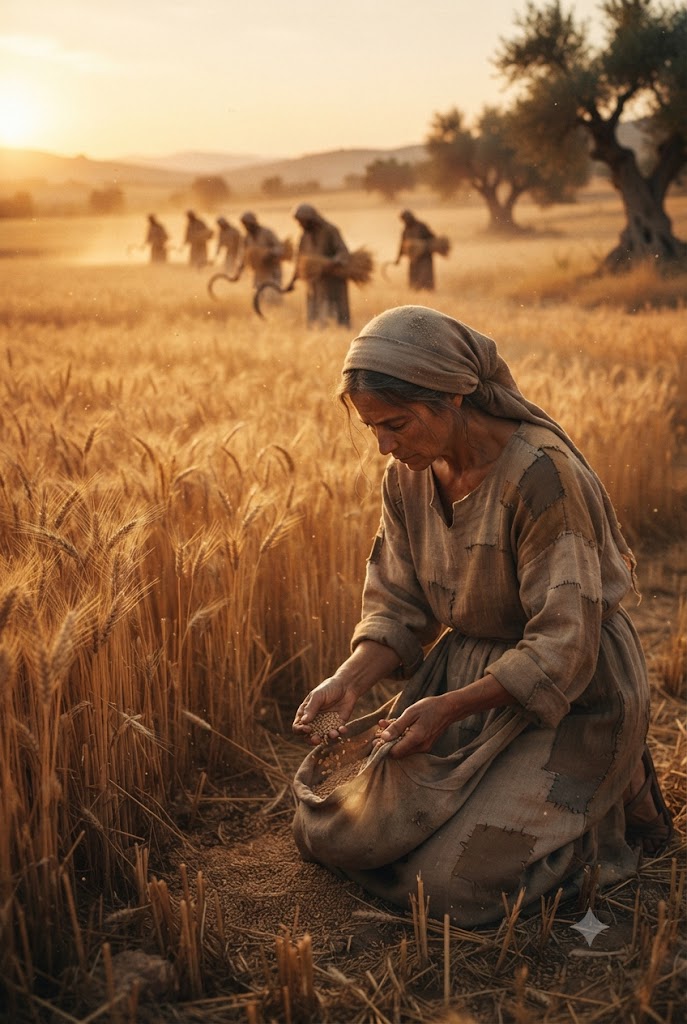
“And when ye reap the harvest of your land, thou shalt not wholly reap the corners of thy field, neither shalt thou gather the gleanings of thy harvest… thou shalt leave them unto the poor, and to the stranger: I am the LORD your God.”
Not wholly reap the corners of thy field. This becomes the backdrop for the book of Ruth. Ruth was able to glean in Boaz’s field precisely because of this commandment. God’s holiness was never an abstract ideal — it took the concrete economic shape of leaving a portion of the field for the poor neighbor to eat.
ACT TWO — Regulations of Honesty and Fairness (verses 11–18)
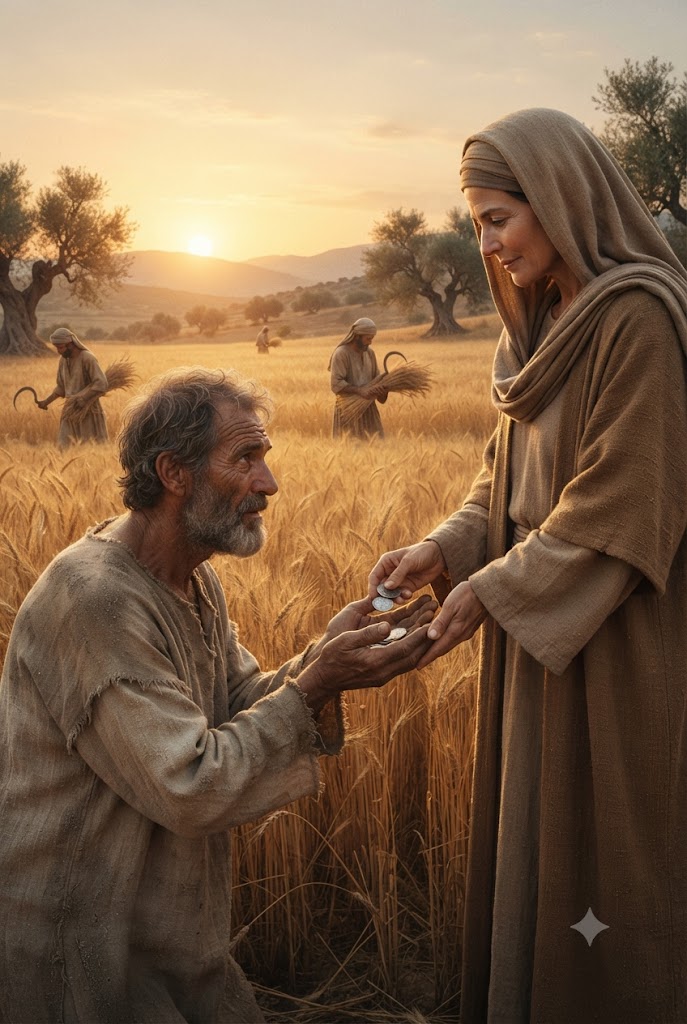
“Ye shall not steal, neither deal falsely, neither lie one to another… Thou shalt not defraud thy neighbour, neither rob him: the wages of him that is hired shall not abide with thee all night until the morning.”
The wages shall not abide with thee until the morning. In ancient society, a day laborer lived from what he earned that very day. Delaying wages threatened his very livelihood — a detail revealing careful concern for the economically vulnerable.
And then comes the most famous verse in this chapter.
“Thou shalt not avenge, nor bear any grudge against the children of thy people, but thou shalt love thy neighbour as thyself: I am the LORD.”
Love thy neighbour as thyself. This is the very verse Jesus quoted as one of the greatest commandments (Matthew 22:39). In the midst of Leviticus’s purity regulations, the principle of love is proclaimed — the ultimate direction toward which all the regulations pointed.
ACT THREE — Various Regulations of Distinction (verses 19–29)
“Thou shalt not let thy cattle gender with a diverse kind: thou shalt not sow thy field with mingled seed: neither shall a garment mingled of linen and woollen come upon thee.”
These regulations may appear arbitrary, but they were symbolic practices reenacting the “after their kind” principle of the creation order (Genesis 1) in concrete areas of daily life. Israel was to remember, even in small decisions, the order of distinction God Himself had established.
REFLECTION — Holiness Runs Through Every Grain of Life
The holiness shown in Leviticus 19 never remains confined within the sanctuary. It runs through how one farms a field, how one pays wages, how one treats a neighbor — through every grain of ordinary life.
Does God’s holiness run through your own everyday choices — how you handle money, how you treat your neighbor?
NEXT EPISODE PREVIEW
Leviticus Chapter 20 — specific penalties for the sins addressed in chapter 18 follow.
Tags: #Leviticus19 #YeShallBeHoly #LoveYourNeighborAsYourself #FieldForThePoor #WagesOfTheHired #BackdropOfRuth #Leviticus #BibleDevotional #ChristianBlog #BibleStudy #OldTestament #Bible #Church #Devotion #Christianity #Matthew22 #HolinessInDailyLife #DailyDevotional