PROLOGUE — Two Quiet Judges, and the Worst Apostasy Yet
Judges 10, coming immediately after Abimelech’s horrific violence (chapter 9), records, in remarkable contrast, two judges — Tola and Jair — treated quietly and briefly. But the latter half of this chapter shows Israel’s apostasy reaching a more severe level than ever before, leading into a dramatic scene where God’s own patience is tested.
ACT ONE — Tola, Quietly Delivering Israel (verses 1–2)
“And after Abimelech there arose to defend Israel Tola the son of Puah, the son of Dodo, a man of Issachar; and he dwelt in Shamir in mount Ephraim. And he judged Israel twenty and three years, and died, and was buried in Shamir.”
Twenty-three years… quietly. Without dramatic battle or spectacular victory, Tola led Israel steadily for over twenty years. This shows that Judges does not always cover only dramatic events — ordinary, quiet faithfulness is also a way God works.
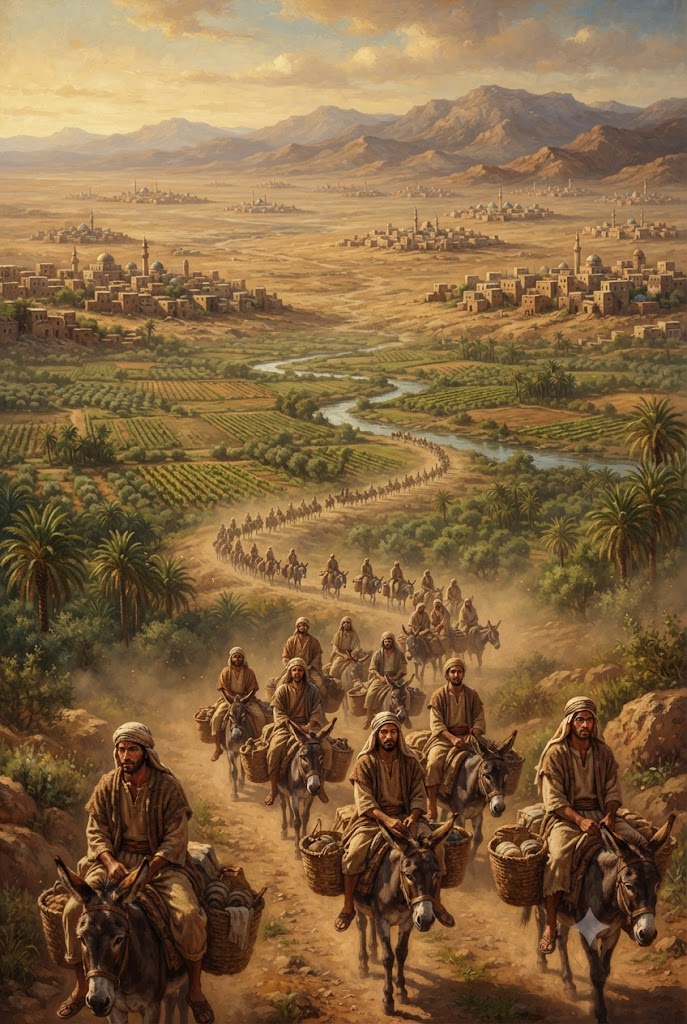
ACT TWO — Jair and His Thirty Sons (verses 3–5)
“And after him arose Jair, a Gileadite, and judged Israel twenty and two years. And he had thirty sons that rode on thirty ass colts, and they had thirty cities, which are called Havothjair unto this day.”
Thirty sons riding thirty donkeys. This detail hints that the family of Jair enjoyed considerable regional influence and prosperity — a status close to that of a minor dynasty.
ACT THREE — The Worst Apostasy Yet (verses 6–9)
After the era of these two quiet judges, Israel’s corruption spread more broadly than ever before.
“And the children of Israel did evil again in the sight of the LORD, and served Baalim, and Ashtaroth, and the gods of Syria, and the gods of Zidon, and the gods of Moab, and the gods of the children of Ammon, and the gods of the Philistines, and forsook the LORD, and served not him.”
Seven kinds of foreign gods. This is the most extensive list of idolatry mentioned anywhere in the entire book of Judges — worshiping not a single regional god, but comprehensively serving the gods of every surrounding nation shows that Israel’s spiritual identity had completely disintegrated.
Punishment came from two directions simultaneously.
“And the anger of the LORD was hot against Israel, and he sold them into the hands of the Philistines, and into the hands of the children of Ammon… that year they vexed and oppressed the children of Israel: eighteen years, all the children of Israel that were on the other side Jordan in the land of the Amorites, which is in Gilead… So Israel was sore distressed.”
ACT FOUR — God’s Scathing Response, Yet a Grieving Heart (verses 10–16)
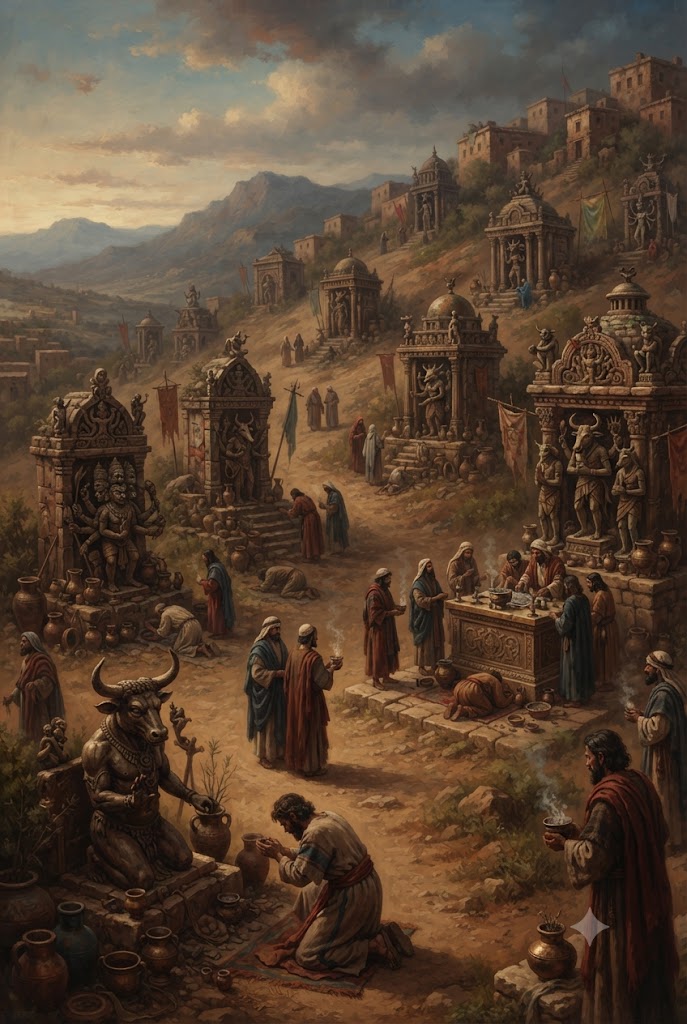
When Israel cried out, God’s response was entirely unlike before.
“And the children of Israel cried unto the LORD, saying, We have sinned against thee, both because we have forsaken our God, and also served Baalim. And the LORD said unto the children of Israel, Did not I deliver you from the Egyptians, and from the Amorites, from the children of Ammon, and from the Philistines?… Yet ye have forsaken me, and served other gods: wherefore I will deliver you no more. Go and cry unto the gods which ye have chosen; let them deliver you in the time of your tribulation.”
I will deliver you no more. This is the most shocking divine response in the entirety of Judges — an explicit refusal to help any longer.
Yet when the people genuinely repented and removed the foreign gods, a remarkably moving reversal appears.
“And they put away the strange gods from among them, and served the LORD: and his soul was grieved for the misery of Israel.”
His soul was grieved. This brief phrase is one of the most humanly emotional depictions of God found anywhere in Scripture — though He had officially refused deliverance, God’s heart was still moved by the suffering of His own people.
REFLECTION — Between Righteous Anger and a Wavering Compassion
What Judges 10 shows us is that even God’s righteous anger never fully extinguishes His fundamental compassion. God was justly angry at Israel’s repeated betrayal, yet His heart was moved at the same time by their suffering.
Even after repeated failure, can you trust that God’s heart is still grieved before your own suffering?
NEXT EPISODE PREVIEW
Judges Chapter 11 — the dramatic story of Jephthah, once a rejected son, called to be Israel’s judge, and his tragic vow, follow.
Tags: #Judges10 #TolaAndJair #SevenKindsOfForeignGods #IWillDeliverYouNoMore #HisSoulWasGrieved #FaithfulnessOfQuietJudges #Judges #BibleDevotional #ChristianBlog #BibleStudy #OldTestament #Bible #Church #Devotion #Christianity #RighteousAngerWaveringCompassion #GodsHumanEmotion #DailyDevotional