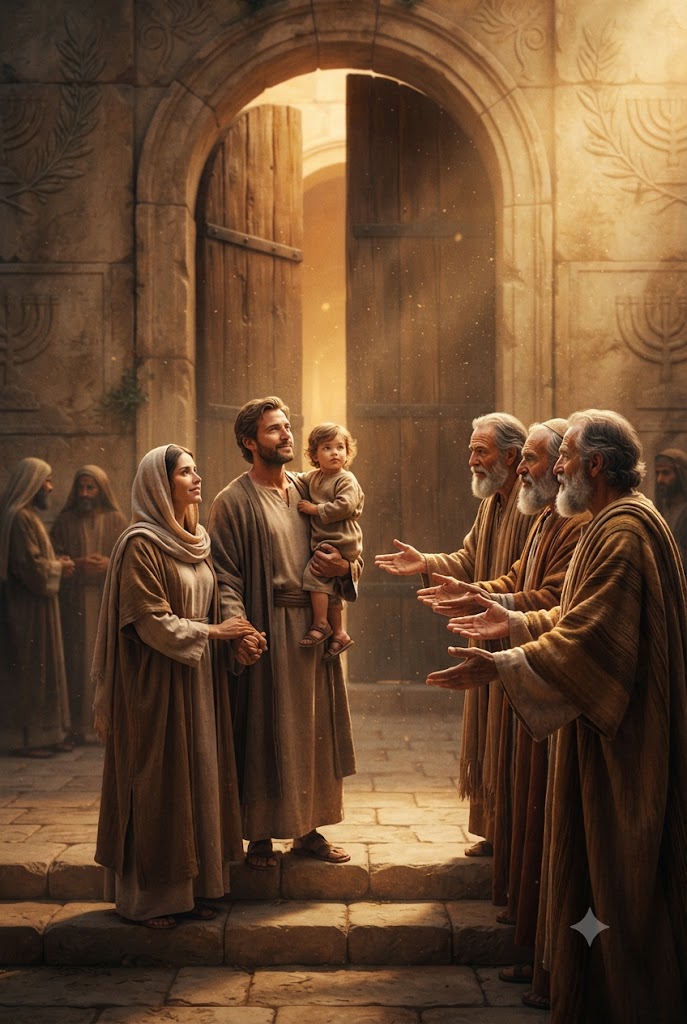
PROLOGUE — Inclusion and Distinction, Two Coexisting Principles
Deuteronomy 23 holds together two currents that seem, at first glance, contradictory — regulations restricting participation in the assembly, alongside remarkably generous protections for the stranger and neighbor. In truth, both currents flow from a single spirit — preserving the community’s identity while simultaneously honoring human dignity within it.
ACT ONE — Those Who May Not Enter the Assembly (verses 1–8)
“He that is wounded… shall not enter into the congregation of the LORD… A bastard shall not enter into the congregation of the LORD; even to his tenth generation shall he not enter into the congregation of the LORD. An Ammonite or Moabite shall not enter into the congregation of the LORD.”
An Ammonite or Moabite. The reason is explained immediately — they had not come out to meet Israel with bread and water, and had instead hired Balaam to curse them (Numbers 22–24). Yet interestingly, Edomites and Egyptians could enter the assembly after the third generation.
“Thou shalt not abhor an Edomite; for he is thy brother: thou shalt not abhor an Egyptian; because thou wast a stranger in his land. The children that are begotten of them shall enter into the congregation of the LORD in their third generation.”
For he is thy brother… because thou wast a stranger. Even within this regulation of exclusion, God left a door of grace open, considering the history of relationship — kinship, or a past experience of being strangers.
ACT TWO — Keep the Camp Holy (verses 9–14)
“When the host goeth forth against thine enemies, then keep thee from every wicked thing… For the LORD thy God walketh in the midst of thy camp, to deliver thee, and to give up thine enemies before thee; therefore shall thy camp be holy: that he see no unclean thing in thee, and turn away from thee.”
This verse reminds us once more that God’s presence was literally in the midst of the camp, requiring careful attention to hygiene and holiness even in the midst of war.
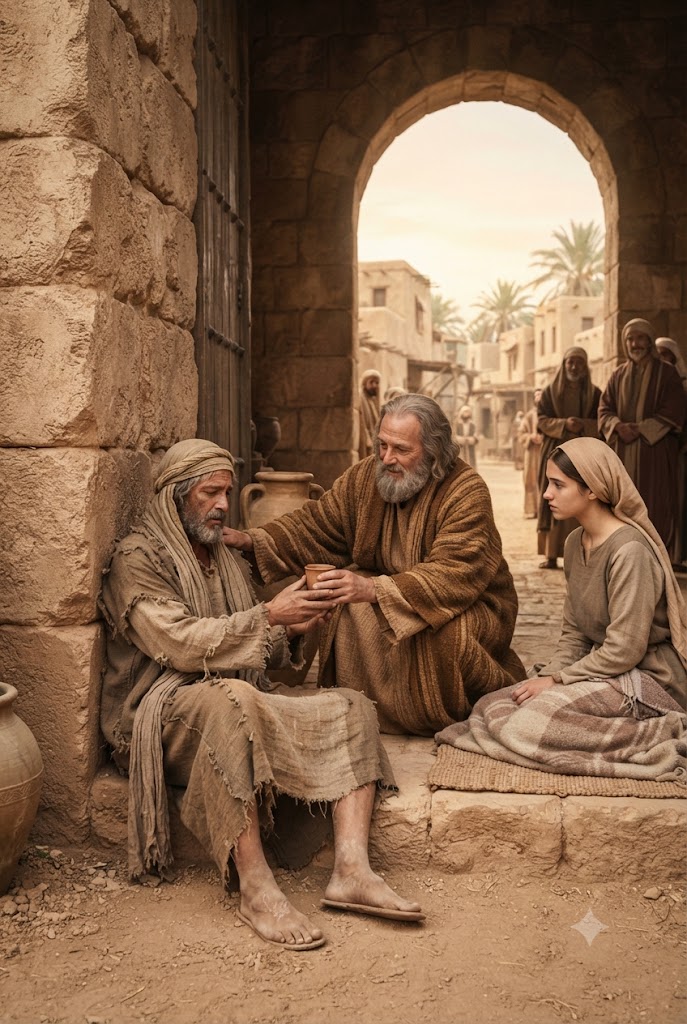
ACT THREE — Protect the Runaway Servant (verses 15–16)
The most surprising and radical regulation of this chapter now appears.
“Thou shalt not deliver unto his master the servant which is escaped from his master unto thee: He shall dwell with thee, even among you, in that place which he shall choose in one of thy gates, where it liketh him best: thou shalt not oppress him.”
Thou shalt not deliver him up… thou shalt not oppress him. This regulation stands in stark contrast to the law codes of the surrounding ancient Near East — such as the Code of Hammurabi, which required the return of a runaway slave and punished anyone who assisted one. Israel’s law chose to protect the one fleeing oppression instead.
ACT FOUR — Do Not Charge Interest (verses 19–20)
“Thou shalt not lend upon usury to thy brother… unto a stranger thou mayest lend upon usury; but unto thy brother thou shalt not lend upon usury.”
Thou shalt not charge thy brother interest. Lending within the community had to be an act of mutual aid, not business — profit-seeking through interest conflicted with the very nature of brotherhood.
REFLECTION — A Community Where Boundary and Mercy Stand Together
What Deuteronomy 23 teaches us is that a healthy community requires both a clear boundary (what threatens its identity) and, simultaneously, remarkable mercy (generosity toward the runaway, the stranger, the brother). A boundary never justified coldness.
While maintaining the boundaries of your own convictions and identity, do you extend generous mercy to those in need?
NEXT EPISODE PREVIEW
Deuteronomy Chapter 24 — a certificate of divorce, exemption for the newly married, and various regulations of consideration for society’s vulnerable, follow.
Tags: #Deuteronomy23 #ThoseWhoMayNotEnterTheAssembly #EdomIsThyBrother #KeepTheCampHoly #ProtectTheRunawayServant #NoInterestForThyBrother #Deuteronomy #BibleDevotional #ChristianBlog #BibleStudy #OldTestament #Bible #Church #Devotion #Christianity #BoundaryAndMercyTogether #ProtectionFromOppression #DailyDevotional