
Genesis is the very first book of the Bible, and it lays the foundation for everything that follows. The first eleven chapters are often called “primeval history”—the story before history, answering the biggest questions humanity has ever asked: Where did the world come from? Why is it broken? And is there any hope?
The book opens with creation itself. God speaks, and out of formless chaos, order and beauty emerge—light, sky, land, sea, plants, stars, animals. Each day, God declares what He has made “good.” Then, on the sixth day, God creates humanity—male and female—in His own image, and calls the entire creation “very good.” Humanity is placed in the Garden of Eden, given the extraordinary role of ruling the world on God’s behalf, as His representatives.
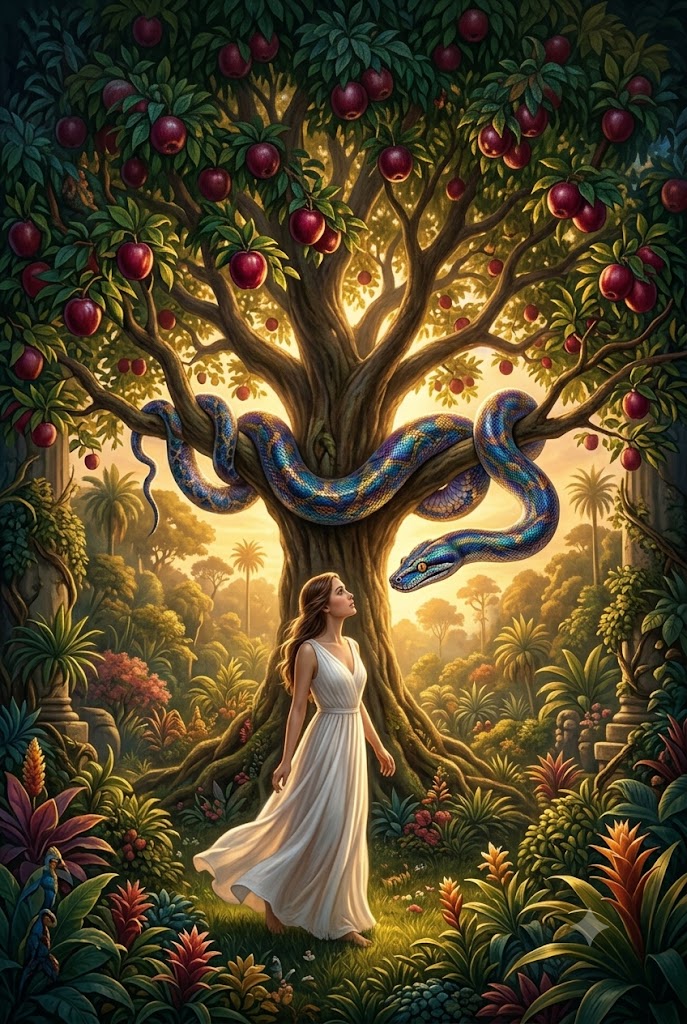
But this perfect world doesn’t last. In chapter 3, a crafty serpent tempts the first man and woman to distrust God’s wisdom and take the forbidden fruit for themselves. They eat, and everything changes. Their relationship with God, with each other, and with creation itself is fractured. This single act of rebellion introduces sin, shame, and death into a world that was never meant to hold them.
Yet even here, in the middle of judgment, God speaks a promise: one day, an offspring of the woman will come who will crush the head of the serpent. This is the first glimmer of hope in the entire Bible—a promise that evil will not have the final word.
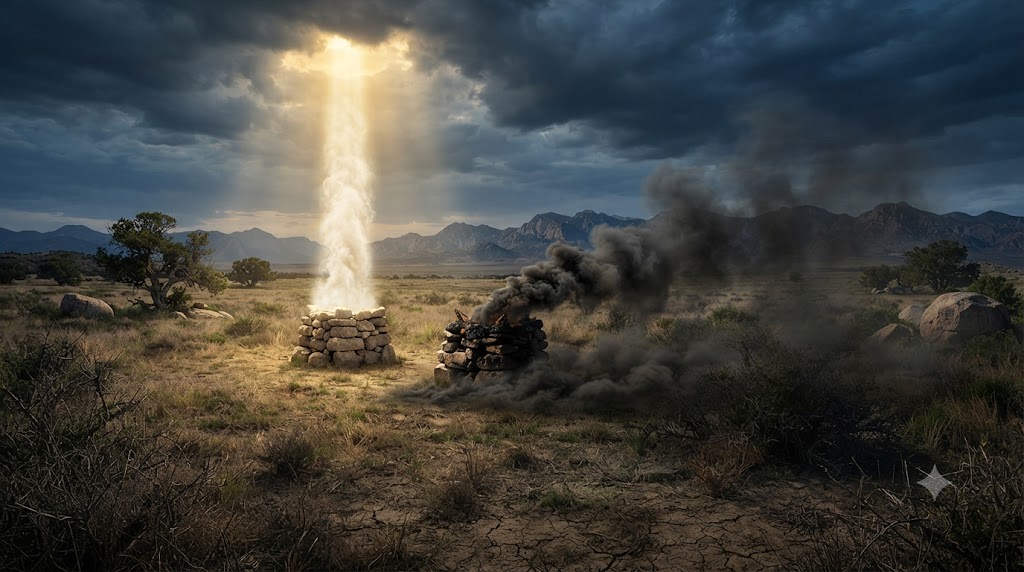
What follows is a rapid unraveling. Cain, the first child born outside of Eden, murders his own brother Abel out of jealousy. Violence and corruption spread across the earth like a virus, until, by chapter 6, “every inclination of the thoughts of the human heart was only evil continually.” God, grieved to His very core, decides to send a flood to wipe the corruption away—but He preserves one righteous man, Noah, and his family, along with the animals, inside an ark.
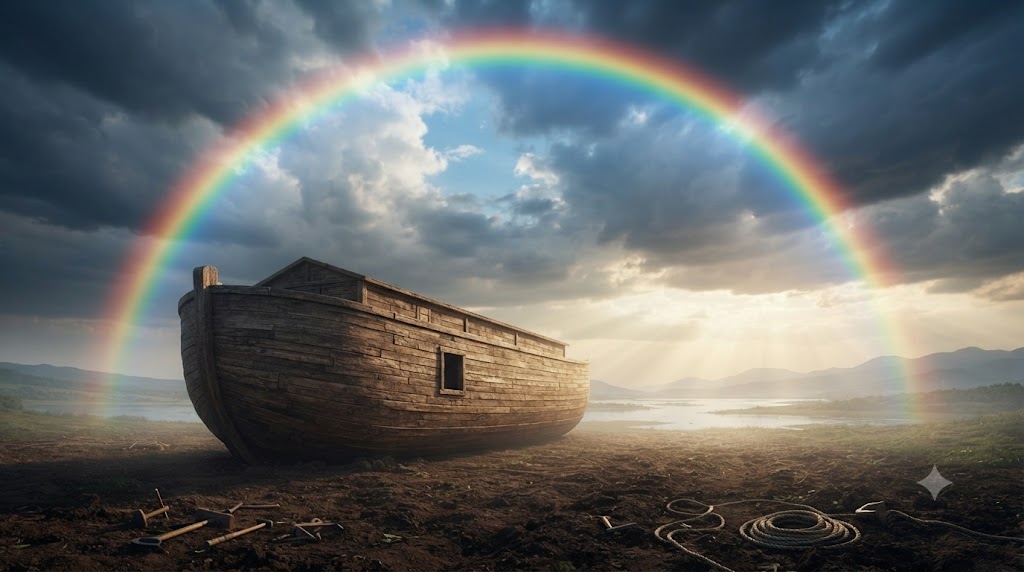
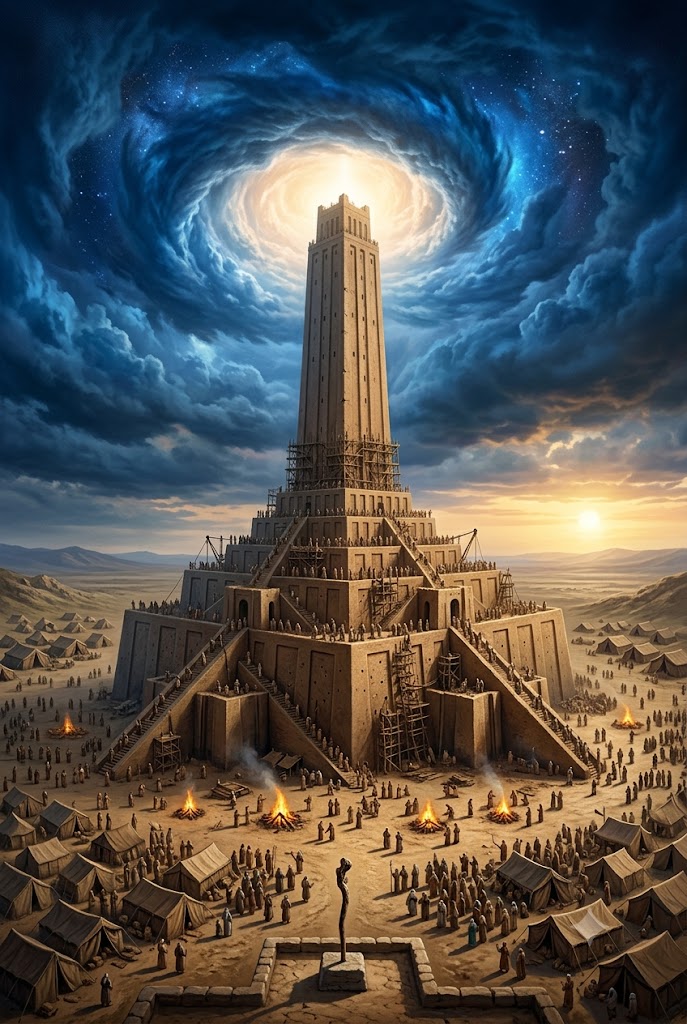
After the flood waters recede, God makes a covenant with Noah, promising never again to destroy the earth this way, and setting a rainbow in the sky as a sign of that promise. It’s a fresh start for humanity. But it doesn’t take long for the same pattern to reappear. In chapter 11, humanity unites—not to honor God, but to make a name for themselves, building a massive tower reaching toward the heavens. God confuses their language and scatters them across the earth.
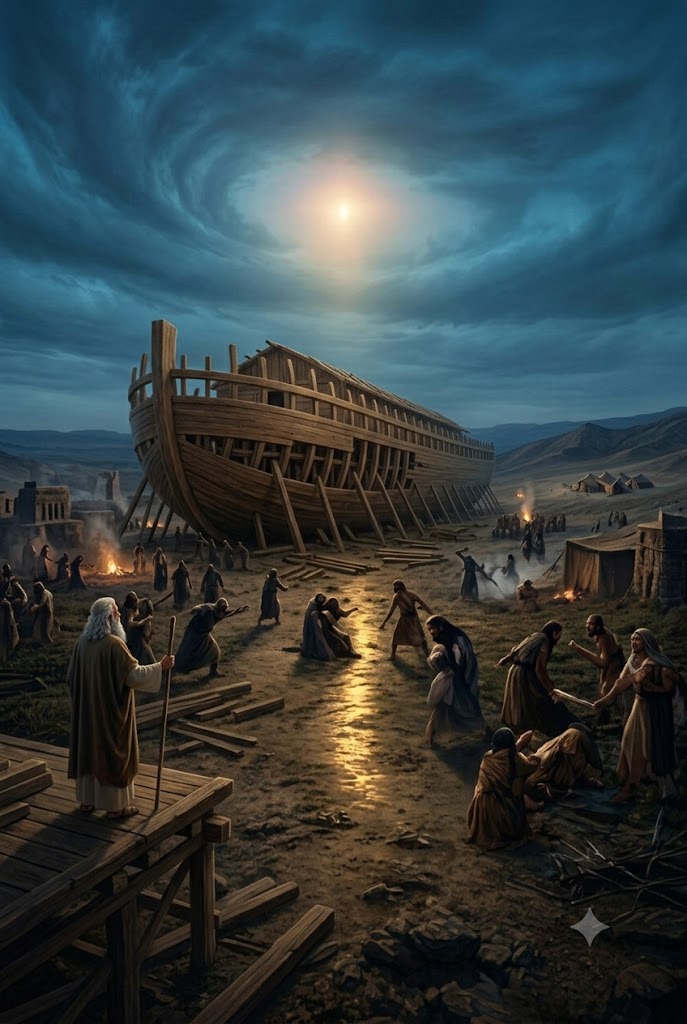
By the end of chapter 11, the pattern is unmistakable: humanity, given every chance, cannot stop rebelling against its Creator. Creation, fall, violence, judgment, and a fresh start—only to fall again. It’s a bleak picture.
And yet, right at this lowest point, the story doesn’t end. Genesis 11 closes with a genealogy leading to one man: Abram, of the city of Ur. In the very next chapter, God will call this one ordinary man and make an extraordinary promise through him—a promise to bless not just one family, but all the families of the earth.
That is where the next part of the story begins.
#Genesis #BookOfGenesis #Creation #AdamAndEve #CainAndAbel #NoahsArk #TowerOfBabel #BibleOverview #BibleStudy #KJVBible #Christian #Christianity #BibleStory #OldTestament #FallOfMan #GodsPromise #BibleSummary #FaithJourney #PrimevalHistory