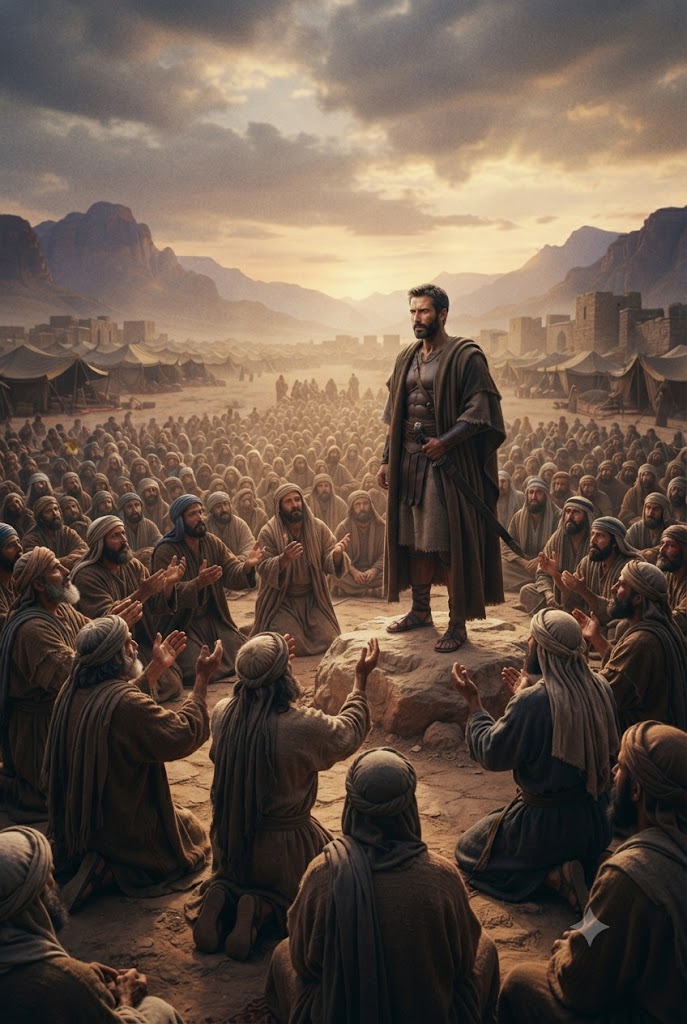
Let’s recall the story of Joshua up to this point. God chose Abraham and made his family into the nation of Israel. Later, they became slaves in Egypt, but God rescued them through Moses. After establishing a covenant with them at Mount Sinai and leading them into the wilderness, Moses calls on them to obey God’s commands as they camp before the promised land, so that the nations can see what kind of God He is.
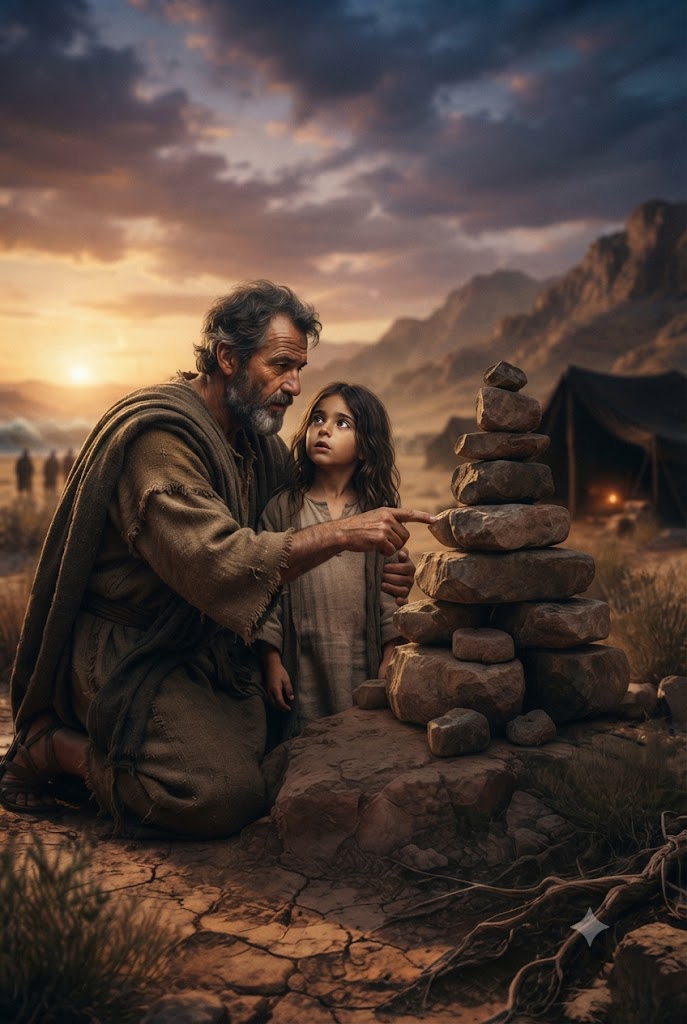
This book begins at the point when Moses has died and Israel is ready to enter the promised land. The story is structured into four main parts. First, Joshua leads Israel into the land of promise, where they encounter hostile Canaanite tribes and engage in battles. After securing victory, Joshua distributes the land to the twelve tribes, and the book concludes with Joshua’s final farewell address to the people. Let’s look at how it unfolds in detail.
Part 1: Entry into and Preparation for the Promised Land
At the beginning, Moses dies and Joshua is appointed as the new leader of Israel. The author intentionally portrays Joshua as a new Moses: like Moses, he demands that the people obey the Torah—the covenant received from God at Mount Sinai. And just as Moses did in Numbers 13 and 14, he sends spies into the land, but this time it goes much more smoothly, to the point where some Canaanites turn and begin following the God of Israel.
Afterwards, Joshua leads all of Israel across the Jordan River into the promised land. Just as the Red Sea parted before Moses during the Exodus, the Jordan River parts, and the priests carrying the Ark of the Covenant lead the way while the people follow across.
In chapter 5, the narrative shifts. Israel looks back, remembering their roots as God’s covenant people, circumcises the new generation, and celebrates the first Passover in Canaan. Now they are ready to move forward.
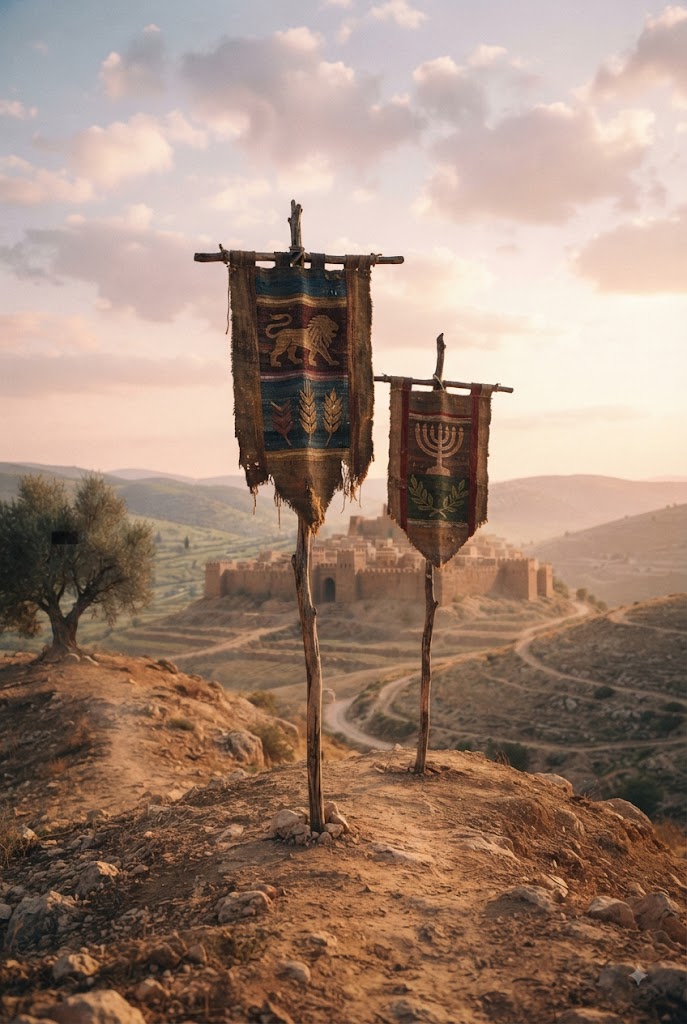
Joshua has a unique encounter with a mysterious warrior—actually an angel and the commander of the army of the Lord. When Joshua asks, “Are you for us or for our enemies?”, the commander answers, “Neither. The real question is whether Joshua is on the Lord’s side.” Ultimately, this conflict is not a clash between Israel and the Canaanites, but God’s war. Israel’s role is to witness the fulfillment of His plan or occasionally act as backup forces.
Part 2: Battles with the Canaanite Tribes
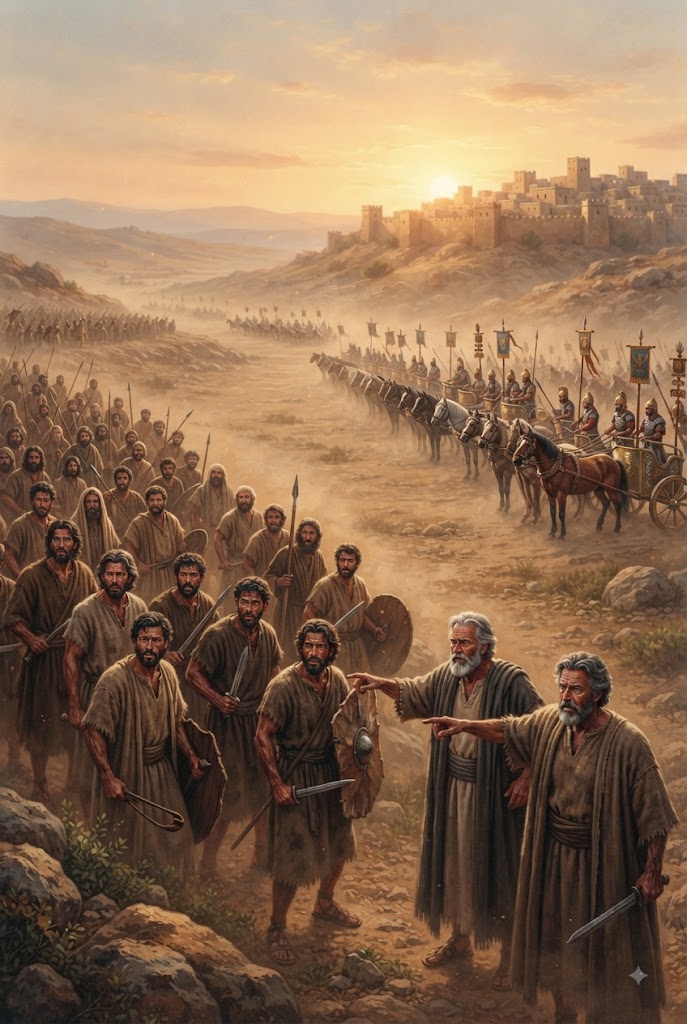
That leads into the next section, which shows the various battles Israel fights against the surrounding Canaanite tribes. The first part highlights two specific battles in detail, followed by a series of brief summaries of years of warfare.
The first two battles are against Jericho and Ai, offering a striking contrast between God’s faithfulness and Israel’s disobedience.
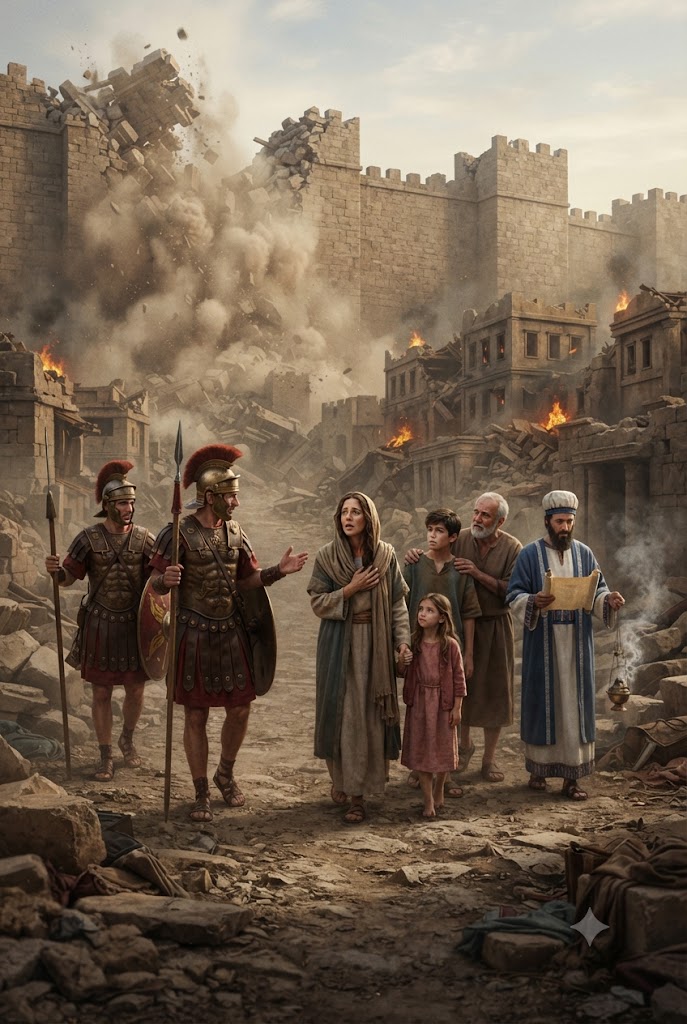
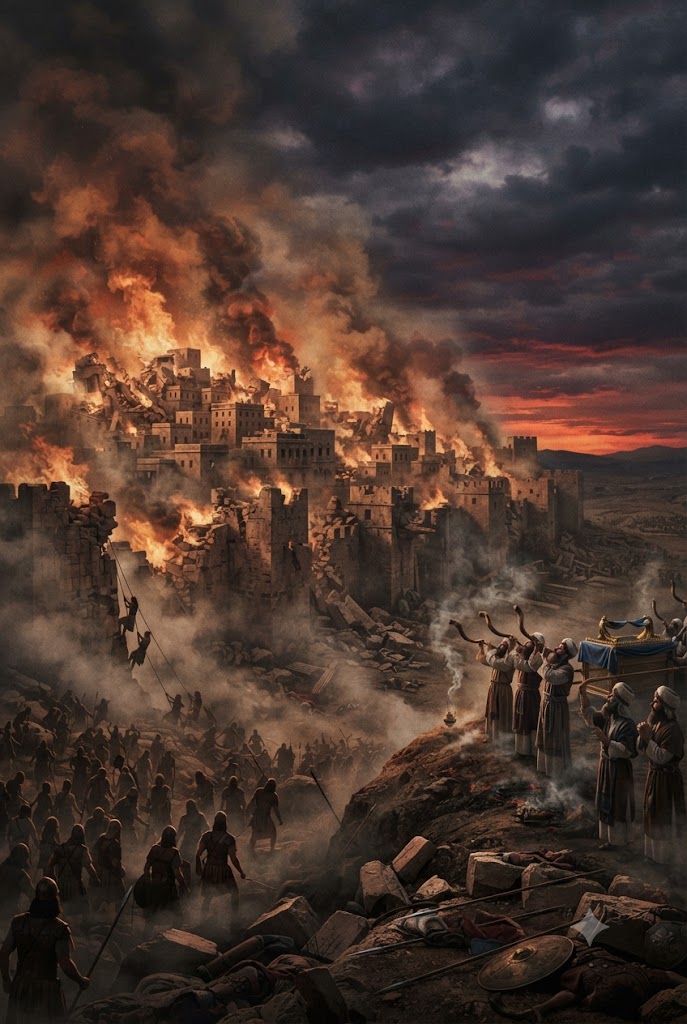
The Battle of Jericho: Israel takes a completely passive posture, marching around the city walls for six days to the sound of trumpets, following the Ark of the Covenant which symbolizes God’s presence. Just as Rahab turned to trust God, the people of Jericho had an opportunity, but they did not. On the seventh day, when the priests blew the trumpets, the walls collapsed and Israel gained victory. The core message is that God is the one who saves His people, and Israel simply needs to trust and wait.
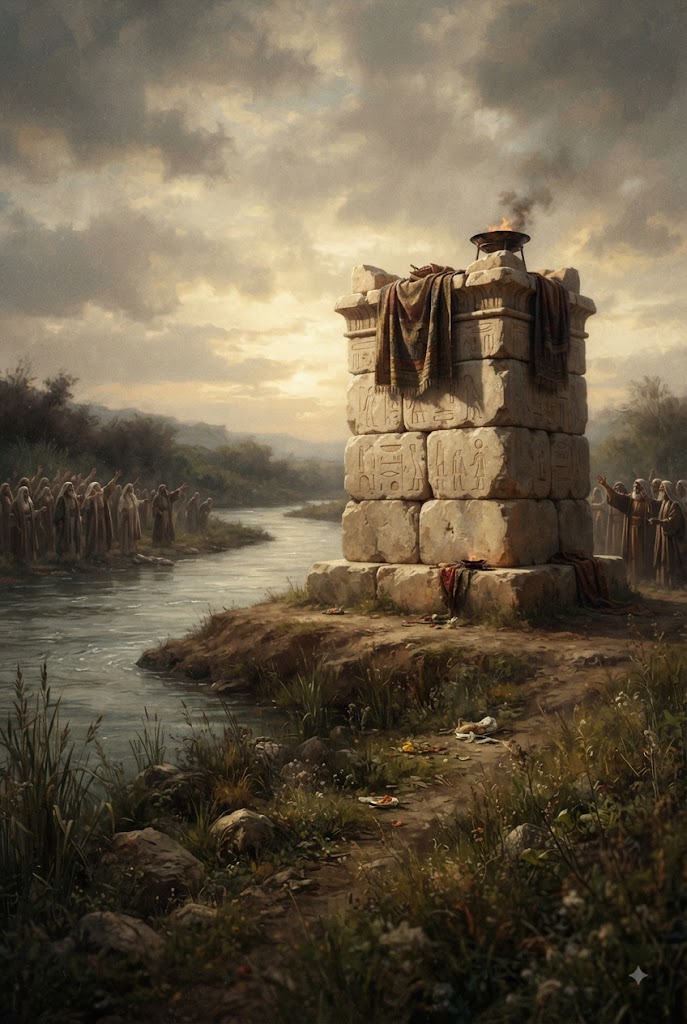
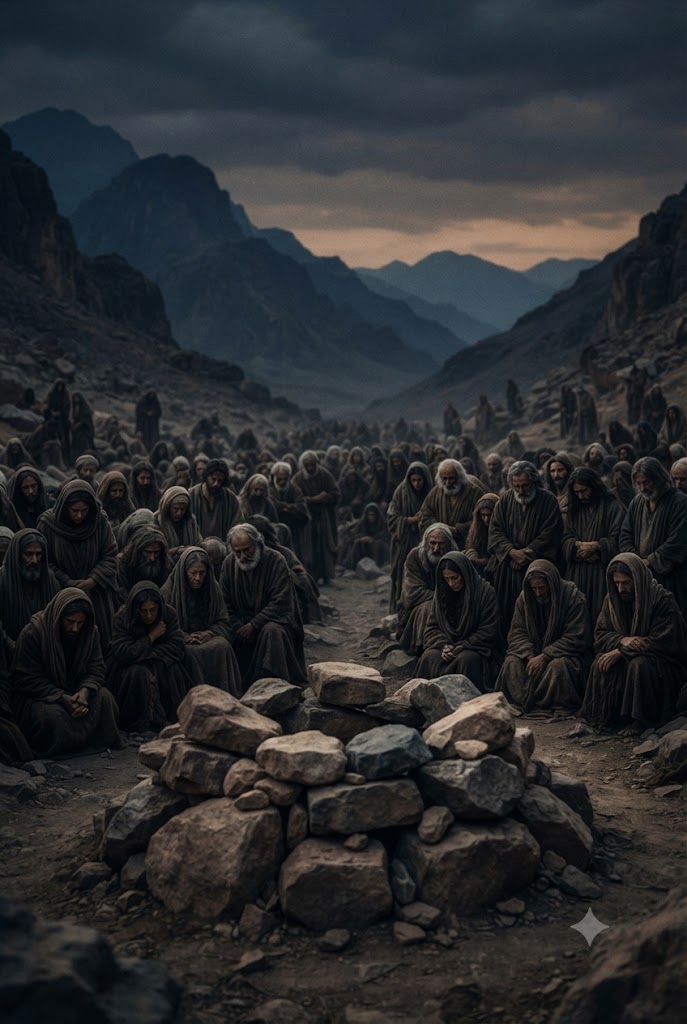
The Battle of Ai: This records the exact opposite story. An Israelite named Achan steals some of the spoils devoted strictly to God from the Jericho battle and lies about it—a pathetic action considering everything God had done for Israel. Consequently, Israel suffers a crushing defeat at Ai. Only after humbling themselves, repenting before God, and dealing thoroughly with Achan’s sin do they finally achieve victory.
These two stories are placed together at the beginning to teach a crucial lesson: if Israel is to inherit the promised land, they must fully obey and trust God’s commands. There is no special treatment.
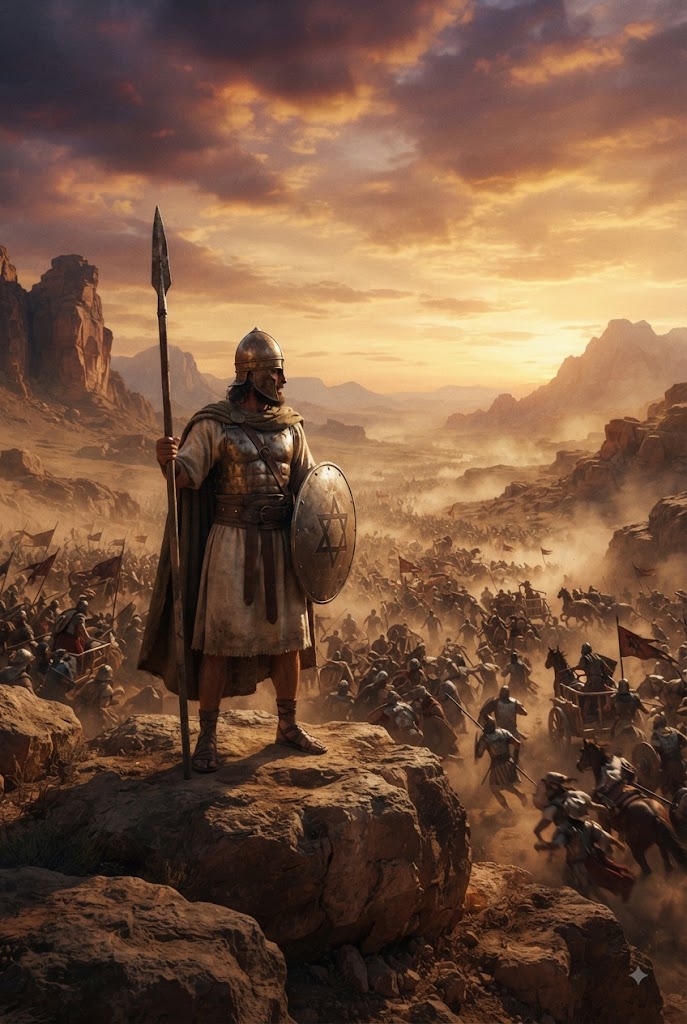
In the second section, a Canaanite group called the Gibeonites appears. Like Rahab, they decide to turn and follow the God of Israel, making a peace treaty with them. This contrasts sharply with all the other Canaanite kings who form an alliance to destroy Israel. Israel wins a major victory in the battles against them, and this section concludes with a summary of all the victories won by Moses and Joshua.
Understanding War and Violence
Let’s pause here for a moment. The stories of war and violence may feel disturbing. If you are a follower of Jesus, you might wonder, “Didn’t Jesus teach us to love our enemies? Why would God declare war?”
Why the Canaanites? The main reasons are outlined earlier in Scripture. The culture of the Canaanites was extremely morally corrupt, especially sexually (see Leviticus 18), and the practice of child sacrifice was widespread (see Deuteronomy 12). God did not want Israel to be influenced by these practices, so He drove out the Canaanites.
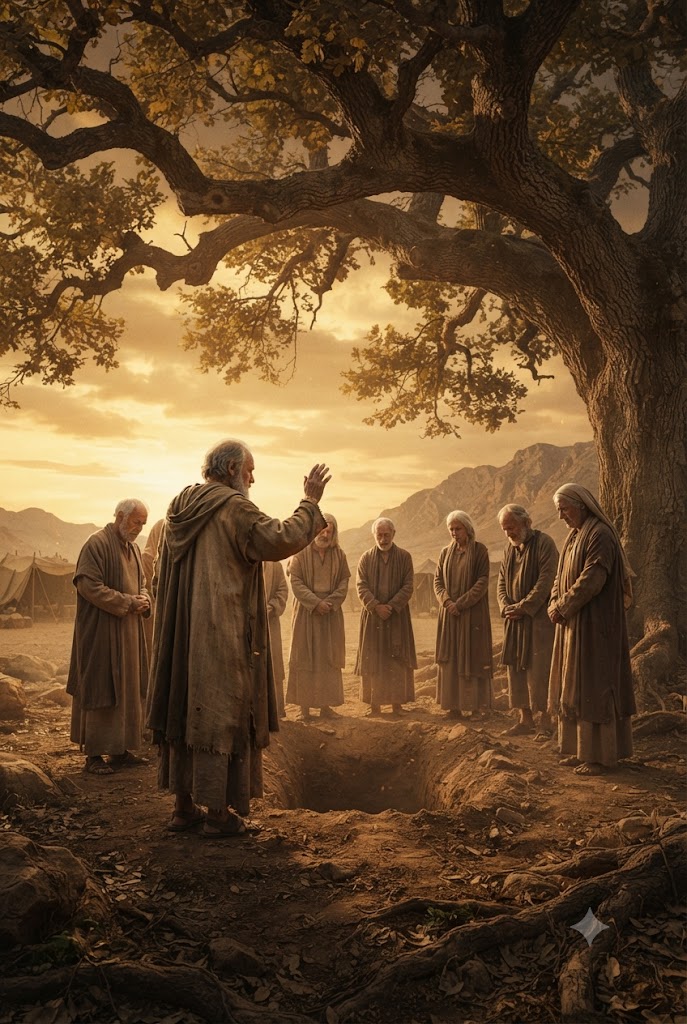
Did God really command total genocide? At first glance, the language in these stories makes it look like Israel utterly destroyed everything that breathes, leaving no survivors. However, looking closer, we realize these expressions are a form of hyperbole rather than literal destruction. In Deuteronomy 7, the original command to Israel is first to drive out the Canaanites, then to destroy them, and not to intermarry or make covenants with them. How could you intermarry with people you completely annihilated? That means it wasn’t a literal, absolute meaning. For instance, Joshua 10 states that no survivors were left in Hebron and Debir, yet chapter 15 shows Canaanites still living there. Thus, like other ancient battle accounts, Joshua uses epic literary style and hyperbole. Also, terms like “genocide” do not fit because Canaanites who turned to God—like Rahab or the Gibeonites—wound up accepted.
Therefore, the purpose of recording these battles is never to justify violence in God’s name. Rather, it shows that at a specific point in history, God exercised justice against human evil and rescued Israel from being annihilated by the Canaanites.
Part 3: Distribution of the Land
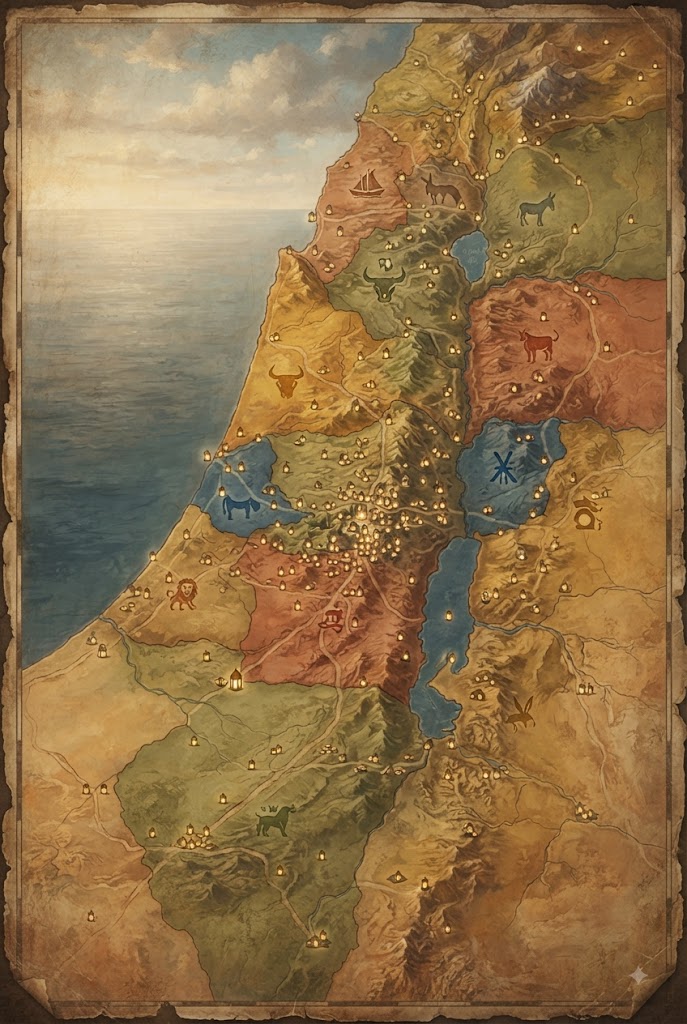
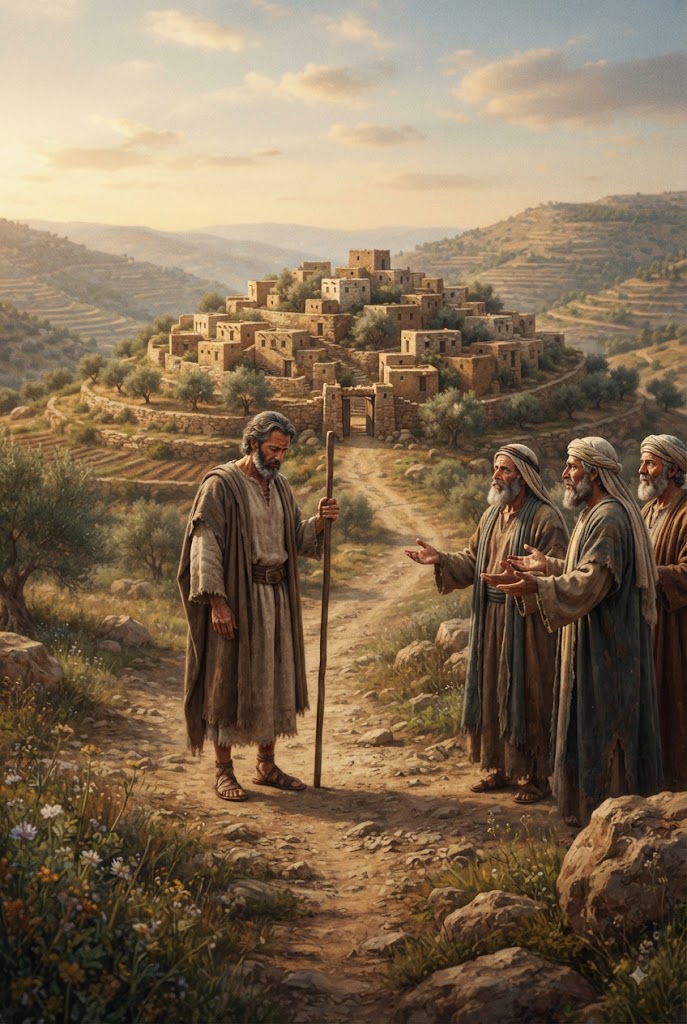
Returning to the book’s structure, after years of fighting, an aging Joshua begins distributing the land of Canaan among the twelve tribes of Israel. This section consists mostly of boundary lists—honestly, a bit tedious, like reading a map without pictures. Yet, for the Israelites, this list was crucial because it was the fulfillment of God’s long-ago promise to Abraham: “I will give this land to your descendants.”
Part 4: Joshua’s Final Farewell Addresses
After the detailed description of land distribution, we reach the final section. Joshua delivers two speeches to the people, very similar to Moses’ final speeches in Deuteronomy.
Joshua reminds the people of God’s mercy in leading them to the promised land and rescuing them from the Canaanites. He urges them to turn away from Canaanite idols and remain faithful to the covenant with God. He warns that if they do so, they will receive life and blessing in the land, but if not, God’s judgment—just like the one that fell on the Canaanites—will come upon Israel, and they will be driven out into exile.
Joshua leaves Israel with a choice: What will they do? The book ends leaving this weighty question hanging. This has been Joshua.
Tags: #Joshua #BookOfJoshua #PromisedLand #BattleOfJericho #BattleOfAi #ConquestOfCanaan #Rahab #Gibeonites #BibleOverview #BibleStudy #KJVBible #Christian #Christianity #BibleStory #OldTestament #GodsFaithfulness #Obedience #BibleSummary #FaithJourney #Covenant