The English title of this book, Numbers, comes from the records of the census. However, the Hebrew name for the book is Bamidbar, which means “in the wilderness.” It is an epic travel journal of Israel’s journey through the wilderness toward the land promised to Abraham. Originally, this trip should have taken about two weeks on foot. Instead, it took them forty years—truly half a lifetime. This long and eventful journey is structured into five distinct sections, alternating between three wilderness locations and two traveling transitions.
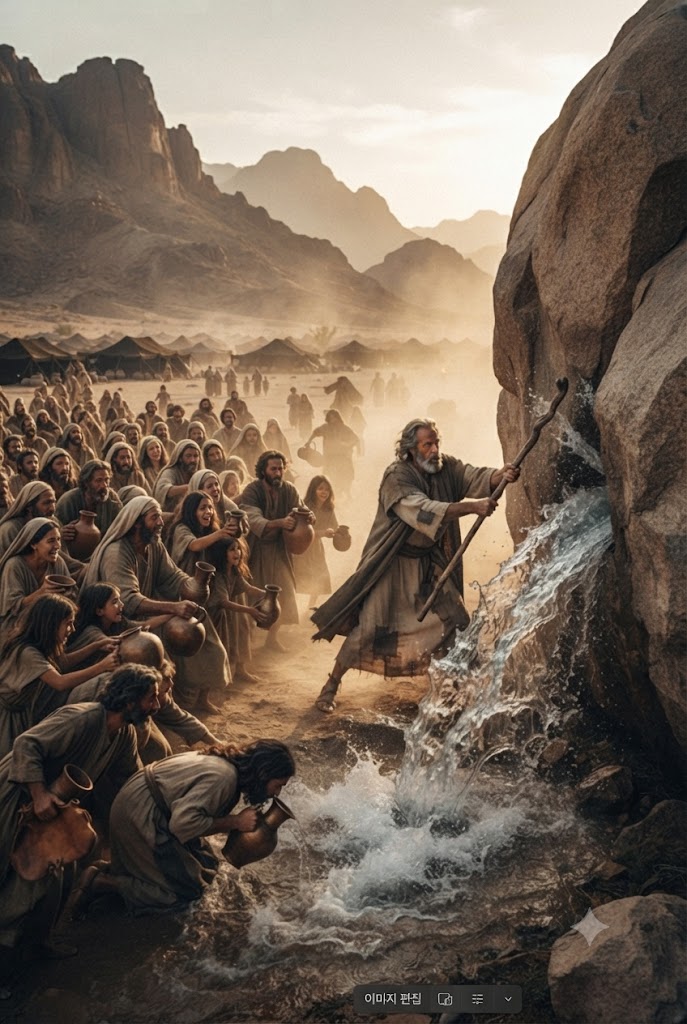
The story begins right here at Mount Sinai. After coming out of Egypt, Israel arrived at this mountain to make a covenant with God, receive the Ten Commandments, and build the Tabernacle, staying there for a full year. As they prepare to leave, a census is taken, and instructions are given on how to arrange their camp. The Tabernacle, housing God’s presence, is placed at the center, surrounded by the Levites and priests, with the twelve tribes positioned on all four sides. This symbolizes that God’s holiness is at the very center of the nation’s existence. When the cloud of God’s presence moves, they pack up and follow—the Levites carrying the ark lead the way, followed by the tribe of Judah and the rest of the tribes, symbolizing that God’s holy presence leads Israel.
With high expectations, they set out from Mount Sinai toward Paran. However, just three days in, the people begin to complain about being hungry and thirsty, and even Moses’ brother and sister begin to criticize him in front of everyone.
This leads to the third section: the Wilderness of Paran, where twelve spies are sent into the promised land. Two return with faith and confidence, but the rest come back terrified. Lacking trust in God, they claim they will be annihilated, spark a rebellion, choose a new leader, and attempt to head back to Egypt. By refusing to enter the promised land, God honors their choice: this generation will wander and die in the wilderness for forty years, and only the next generation will enter the land. This recurring theme in Scripture reminds us that God is faithful to His people and His promises, but He also respects their choices—if they choose rebellion, He allows them to waste their lives.
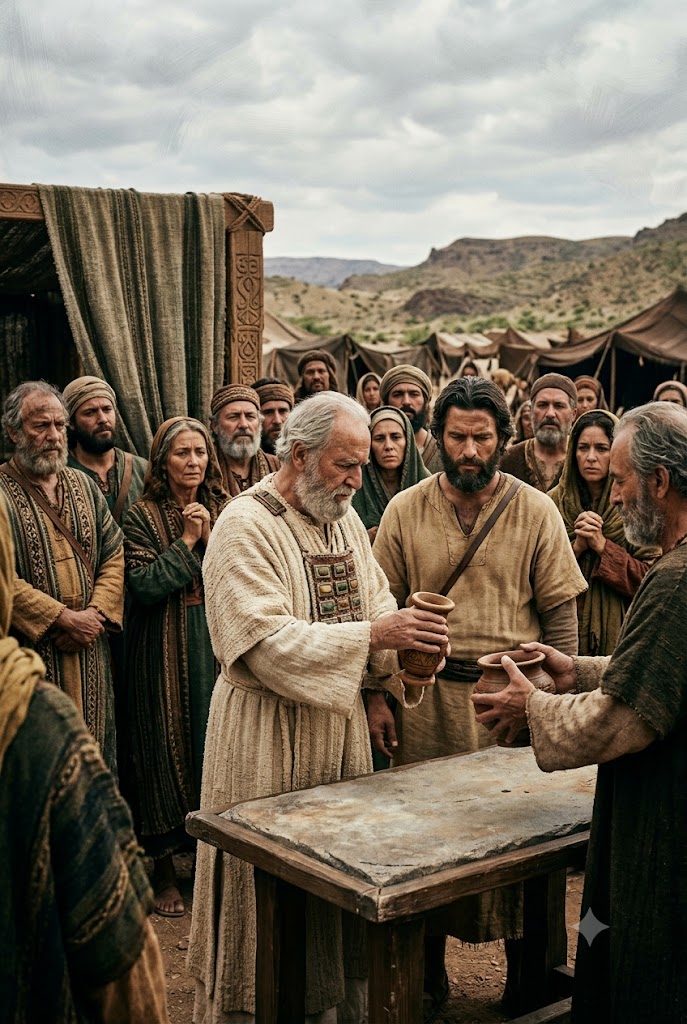
The journey continues, and on the way to Moab, things get even worse. Even Moses rebels against God, forfeiting his right to enter the promised land, and the people rebel once again, resulting in a plague of venomous snakes. Yet, more serious than all these rebellions is that despite God continually forgiving them, providing food and water, and sending manna from heaven, the people keep complaining, wishing they had just died as slaves in Egypt.
However, the final section brings an incredible twist. As Israel finally arrives in Moab, the Moabite king, terrified at the sight of this massive crowd passing through his territory, hires a pagan diviner named Balaam to curse them. Balaam tries three times to curse Israel, but every single time, he finds himself forced to bless them instead. Most remarkably, in his final blessing, he prophesies that a victorious king will rise from Israel, fulfilling God’s promise that Abraham’s offspring would bring blessing to all nations. While Israel was rebelling down below in the camp, they had no idea that God was up on the mountain, protecting and even blessing them.
Numbers ends right here in Moab, as Israel prepares to enter the promised land and takes another census, leaving out Moses and the old generation. Before they leave, Moses delivers his final words of warning and wisdom—a sermon that forms the content of the next book, Deuteronomy.
Tags: #Numbers #BookOfNumbers #Bamidbar #Wilderness #MountSinai #Balaam #TwelveSpies #PromisedLand #BibleOverview #BibleStudy #KJVBible #Christian #Christianity #BibleStory #OldTestament #GodsFaithfulness #Moses #BibleSummary #FaithJourney #Rebellion