Exodus Series — Episode 21
🔥 Prologue — Great Principles Are Completed in the Details of Life The Ten Commandments had been proclaimed.
The mountain shook, and God’s voice was heard amid thunder and lightning. But after that magnificent moment, Exodus abruptly shifts into very specific, practical legal provisions. Laws concerning servants. Laws concerning assault. Laws concerning property damage.
For some readers, this transition may feel jarring—as though the narrative has moved from the grandeur of a shaking mountain to the mundane settling of everyday disputes. But this is precisely the unique wisdom of Scripture. Great principles must descend into the specifics of actual life. If the Ten Commandments are the skeleton sent down from heaven, Exodus 21 is the work of putting flesh on that skeleton.
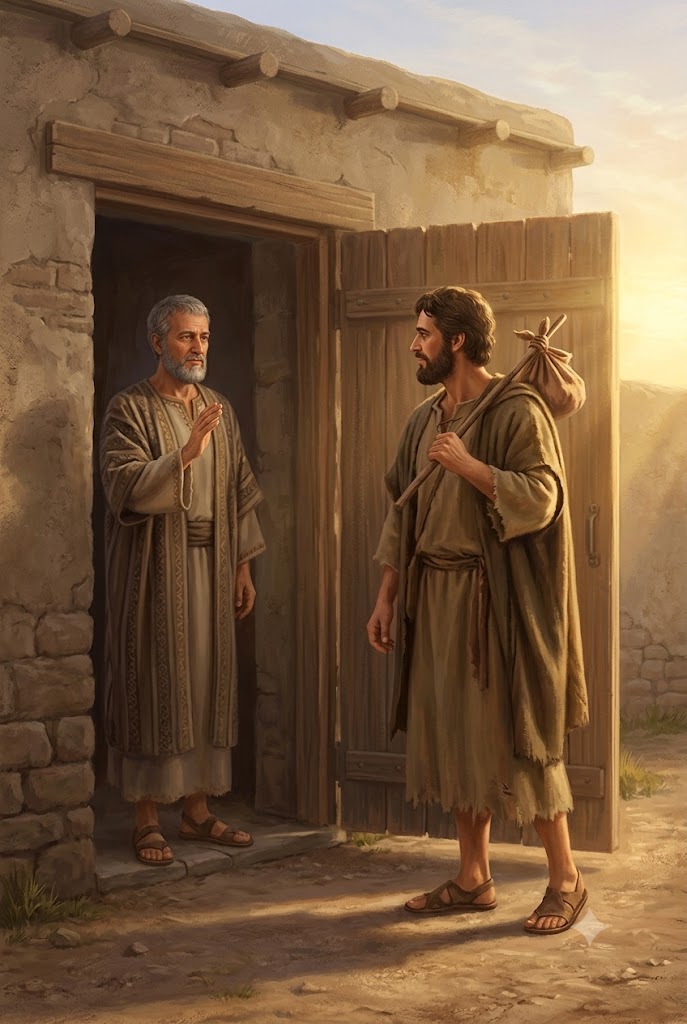
⛓️ Act One — Laws Concerning Servants (Verses 1–11) “If you buy a Hebrew servant, he shall serve six years; and in the seventh he shall go out free and pay nothing.”
Six years, and free in the seventh. Even the very first line of this ordinance reveals something remarkable. In the ancient Near East, servitude was, for the most part, permanent. But Israel’s law set, from the outset, a clear end point to servitude. A people who had themselves been slaves in Egypt now received a law guaranteeing freedom to those who served them.
Family matters are addressed with equal care.
“If he comes in by himself, he shall go out by himself; if he comes in married, then his wife shall go out with him.”
And regulations concerning female servants receive even more careful attention.
“And if a man sells his daughter to be a female slave, she shall not go out as the male slaves do… But if he has betrothed her to his son, he shall deal with her according to the custom of daughters.”
According to the custom of daughters. In ancient society, the position of a woman—especially a woman in servitude—was extremely vulnerable. But this law anticipated various situations she might face, carefully providing for her dignity to be protected.
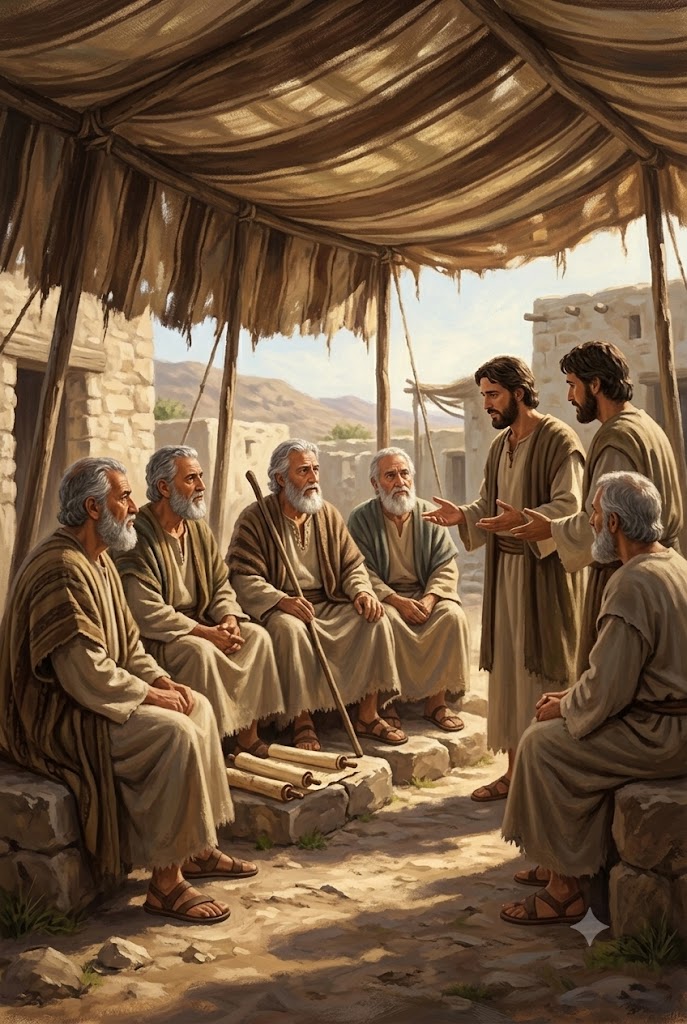
🩹 Act Two — Laws Concerning Violence (Verses 12–27) The text now turns to matters of life and body.
“He who strikes a man so that he dies shall surely be put to death. However, if he did not lie in wait, but God delivered him into his hand, then I will appoint for you a place where he may flee.”
If he did not lie in wait. Here a striking legal sophistication emerges. Not every death was treated the same. Intentional killing was distinguished from accidental harm. This becomes the foundation for the later institution of the cities of refuge (Numbers 35).
“But if a man acts with premeditation against his neighbor, to kill him by treachery, you shall take him from My altar, that he may die.”
There was no exception for premeditated murder. Not even the altar could serve as a refuge protecting him.
Severe regulations follow concerning violence against parents.
“He who strikes his father or his mother shall surely be put to death… And he who curses his father or his mother shall surely be put to death.”
This severity reveals just how gravely the fifth commandment—honor your father and mother—was regarded.
A law concerning kidnapping is also given.
“He who kidnaps a man and sells him, or if he is found in his hand, shall surely be put to death.”
This provision shows just how seriously Israel’s law remembered its own past—the history of having been sold into slavery in Egypt. The very act of buying and selling human beings like objects was itself a capital offense.
Then the famous principle of “eye for eye, tooth for tooth” appears.
“Eye for eye, tooth for tooth, hand for hand, foot for foot, burn for burn, wound for wound, stripe for stripe.”
Eye for eye. This verse is often misunderstood as a cruel law of vengeance. But in its ancient Near Eastern context, it was, in fact, a principle limiting justice. In other cultures of the time, even minor injuries could invite excessive retaliation. This principle, by restricting compensation to precisely match the harm done, served as a standard of justice that prevented the escalation of revenge.
And immediately following this principle comes an unexpected act of mercy.
“If a man strikes the eye of his male or female servant, and destroys it, he shall let him go free for the sake of his eye. And if he knocks out the tooth of his male or female servant, he shall let him go free for the sake of his tooth.”
Free for a single eye, a single tooth. Even violence inflicted upon a servant was met with protection of that servant’s dignity. A master’s power was never unlimited.

🐂 Act Three — Laws Concerning Property and Restitution (Verses 28–36) The final section of this chapter deals with specific cases involving property.
“If an ox gores a man or a woman to death, then the ox shall surely be stoned, and its flesh shall not be eaten; but the owner of the ox shall be acquitted.”
If a man knew that an ox had a habit of goring and neglected to restrain it, responsibility fell not on the ox, but on its owner.
“But if the ox tended to thrust with its horn in times past, and it has been made known to his owner, and he has not kept it confined, so that it has killed a man or a woman, the ox shall be stoned and its owner also shall be put to death.”
Made known to its owner, and he has not kept it confined. This regulation makes the principle of responsibility clear. Neglecting a known danger carried a different weight than a simple accident.
Regulations concerning open pits are equally interesting.
“And if a man opens a pit, or if a man digs a pit and does not cover it, and an ox or a donkey falls in it, the owner of the pit shall make it good; he shall give money to their owner, but the dead animal shall be his.”
Even ordinary carelessness, when it caused harm to a neighbor, required accountability. This meant that careful regard for one another within the community was demanded by law itself.
🕊️ Reflection — When Heavenly Principle Becomes Earthly Life Exodus 21 may appear, at first glance, like a tedious and detailed legal code. But looking closely at this chapter, one remarkable truth emerges. God was not one who proclaimed grand principles and then vanished. He carefully addressed how those principles were to function in actual life—the freedom of a servant, a dispute between neighbors, the damage caused by a single ox.
This raises an important question for us. Does our own faith stop at grand declarations of principle? Does our confession of love for God actually extend into the specific relationships of everyday life—treating someone fairly, protecting the vulnerable, taking responsibility for our mistakes?
The principle revealed especially in the laws concerning servants, and the regulations regarding eye and tooth—that the powerful cannot treat the weak however they please—is the spirit running through this entire chapter. A people who had been slaves in Egypt now received laws protecting the dignity of their own servants. This shows the path that those who have received grace are meant to walk.
“Does your faith stop at grand confessions, or does it descend into the small relationships of everyday life?”
📣 Coming Up Next Exodus Chapter 22 — Laws of Property and Social Responsibility Laws concerning theft, restitution, and the protection of society’s most vulnerable follow. God’s particular concern for widows, orphans, and strangers unfolds in the next episode.
#Exodus21 #LawsOfServants #EyeForEyeToothForTooth #HonoringParentsLaw #PrincipleOfRestitution #LawOfTheGoringOx #TheBookOfTheCovenant #TheExodus #BibleStudy #ChristianBlog #Exodus #OldTestament #Scripture #Church #DailyDevotional #BiblicalFaith #GodsPower