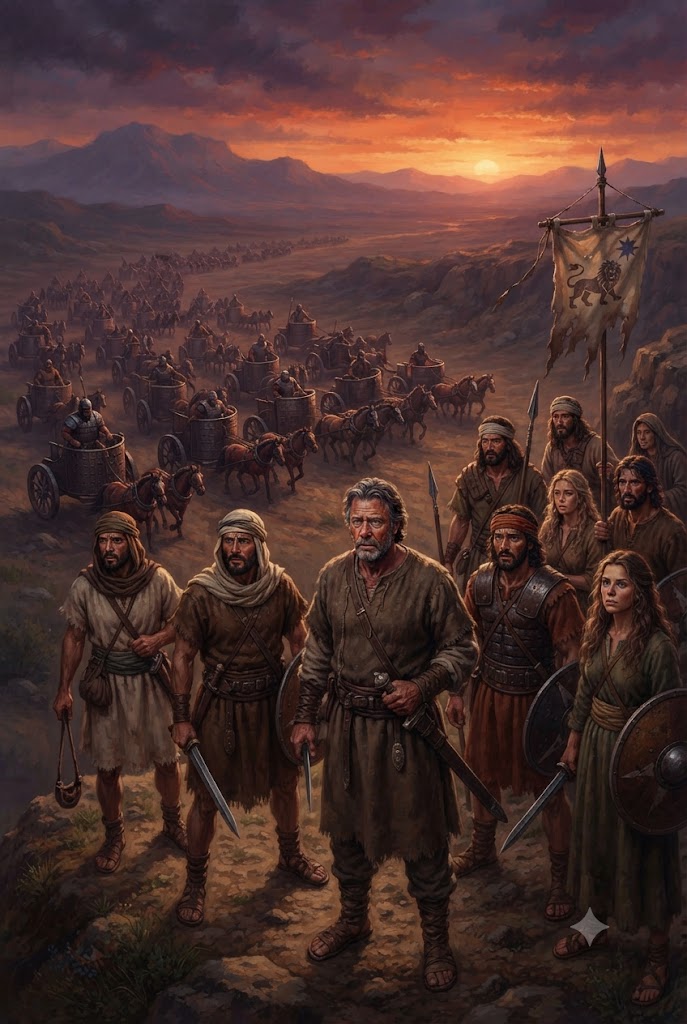
Remember that Joshua led the tribes of Israel into the promised land and demanded faithfulness to the covenant with God by obeying the commands of the law, because it could show what kind of God the nations have. However, Judges is a story about Israel completely failing after Joshua.
The name of this book comes from the type of leaders Israel had at the time. Before they had a king, judges ruled each tribe. These were not judges in a courtroom, but regional political and military leaders, closer to chieftains. And be warned: Judges is a very shocking and violent book. It reveals Israel’s moral corruption, bad leadership, and how they became no different from the Canaanites.
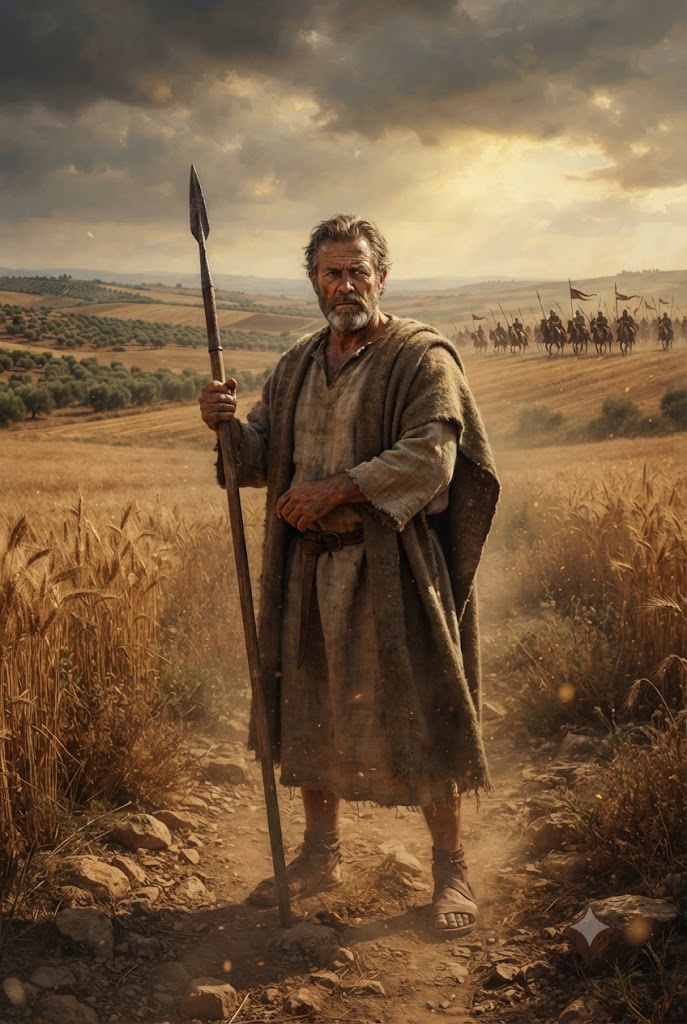
However, this sad story is also meant to give hope for the future, which can be seen in the book’s structure. The long introduction explains that Israel’s failure was because they did not drive out all the remaining Canaanites. The long body records the increasingly corrupt judges of Israel. Over time, it shows how they go from very good, to good, to bad, and very bad. The conclusion is extremely shocking, showing the corruption of the entire nation of Israel. Let’s look at each part more deeply.
Introduction: The Canaanites Left Undriven
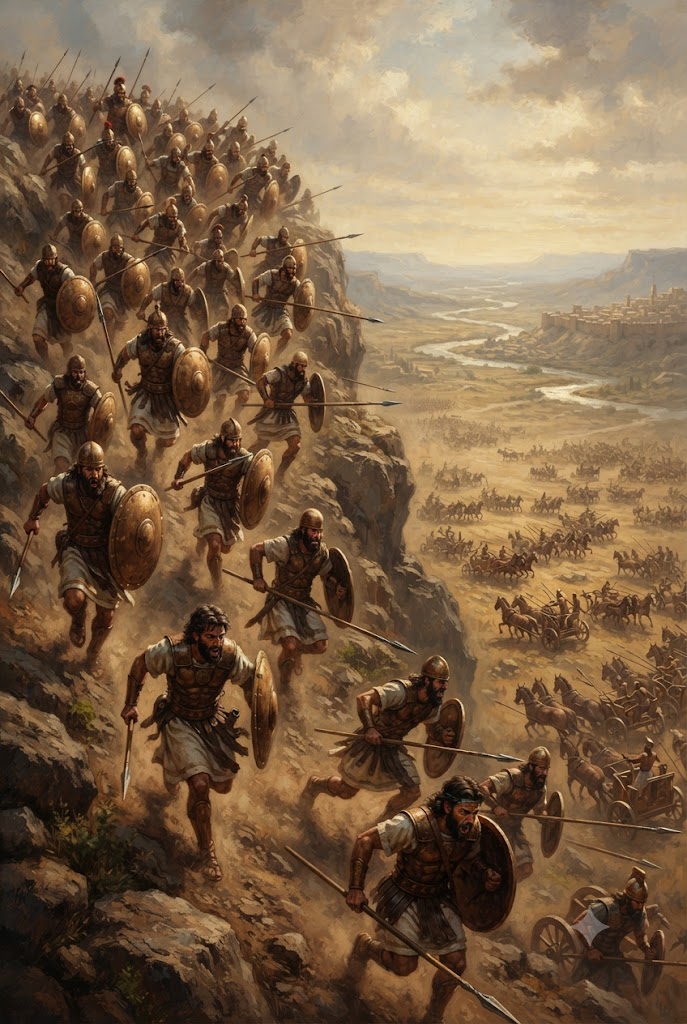
The introduction records the tribes of Israel given territory in the promised land. Although Joshua conquered the main cities of Canaan, much land and many Canaanites still remained. Chapter 1 lists the Canaanites and cities that Israel failed to drive out from the promised land. Remember, driving out the Canaanites was to avoid moral corruption and the practice of sacrificing children to idols. God called Israel to be a holy nation, but they did not become so.
Chapter 2 describes the reality of Israel living alongside the Canaanites and adopting their cultural and religious practices. Here the story pauses, and in most of chapter 2, the author gives an overview of all the events to come. This period in Israel’s history follows a downward spiral, repeating worsening conditions. Israel becomes like the Canaanites, rebels against God, and commits sins, and God lets them be conquered and oppressed by the Canaanites. Eventually, when Israel realizes their wrongdoing and repents, God raises up a judge to save Israel, defeats the enemies, and brings an era of peace. But eventually, Israel sins again and repeats the whole cycle from the beginning.
This cycle is both a literary structure and a flow leading to the next section, a phenomenon repeated among the six major judges who will appear. The first three judges are Othniel, Ehud, and Deborah; their stories are epic adventures mixed with a lot of bloodshed. The judges themselves or their helpers defeat enemies and rescue the people of Israel.
The stories of the next three judges are longer. They focus on their personal flaws, showing how the severity increases. Gideon started out pretty well, though hesitant, but eventually trusted that God could save Israel through him, defeating a massive Midianite army with just 300 men holding trumpets and jars. However, petty Gideon killed many fellow Israelites because they did not help him in battle. From this point, everything starts going downhill. They made an idol from the gold taken in battle, and after he died, all of Israel worshiped that idol, starting the vicious cycle again.
Next is the judge Jephthah. He is a thug-like man living in the mountains, and as Israel’s situation becomes critical, elders beg him for help. Becoming a leader, Jephthah wins many effective victories against the Ammonites, but he knows so little about the God of Israel that he treats Him like a Canaanite idol, even vowing to sacrifice his daughter as an offering if he wins the battle. This tragic story shows how corrupt Israel had become; they no longer knew the character of their God, leading to murder and improper worship.
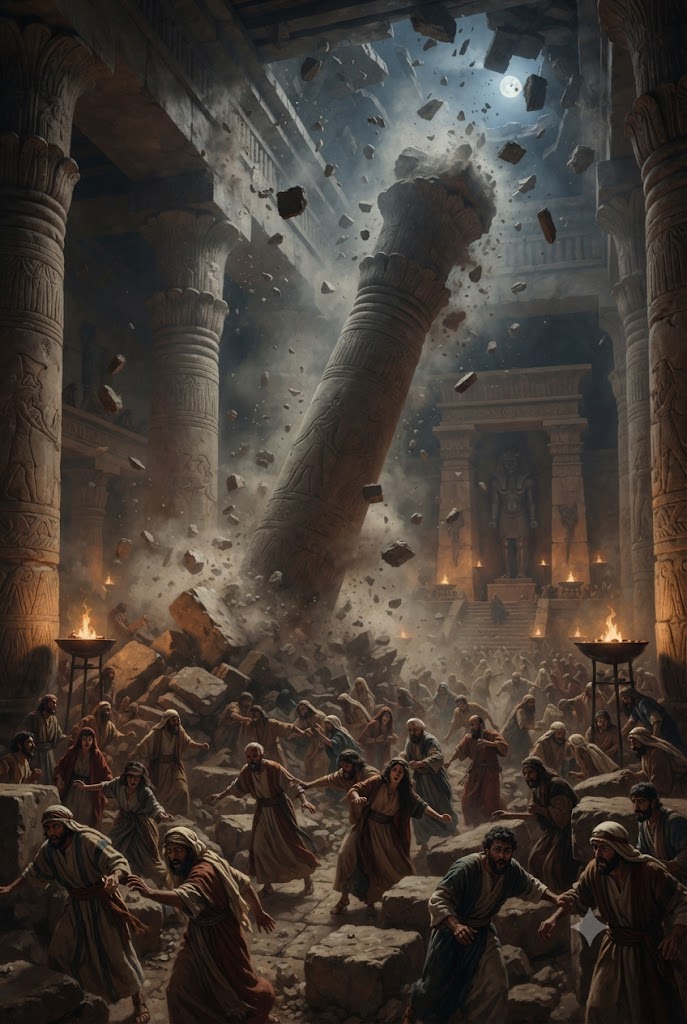
The final judge, Samson, is the worst ever. He received many promises at birth but lived a life unrelated to the God of Israel—promiscuous, violent, and arrogant. Although he defeated the Philistines with brutal strategies, he never lived a whole life himself, and his life ended in a scene of horrific mass slaughter.
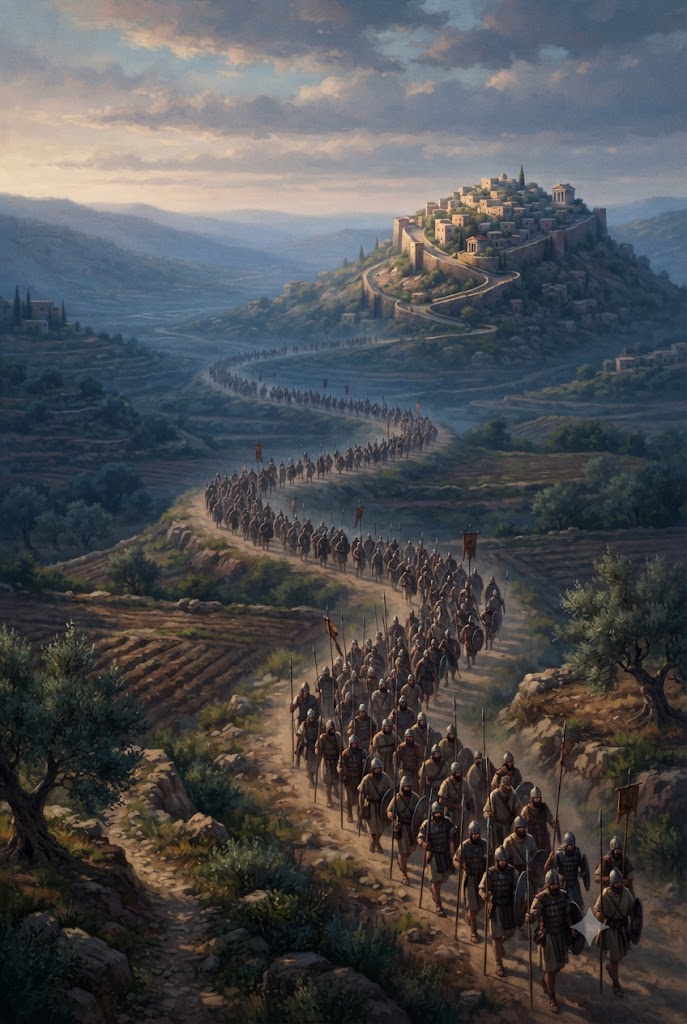
Let’s pause here. You probably noticed a recurring theme in this part of the book: at crucial moments, the spirit of God empowers the judges to accomplish salvation. Just because God uses such messed up people does not mean He approves of their decisions, wholly or in part. God primarily wants to save His own people, and since the only people available to work with were corrupt leaders, He simply used them. This entire section is structured to show how bad things had become—to the point where Israel and the Canaanites could no longer be distinguished, even among leaders who should have been examples.
Conclusion: The Ruin of a Kingless Nation
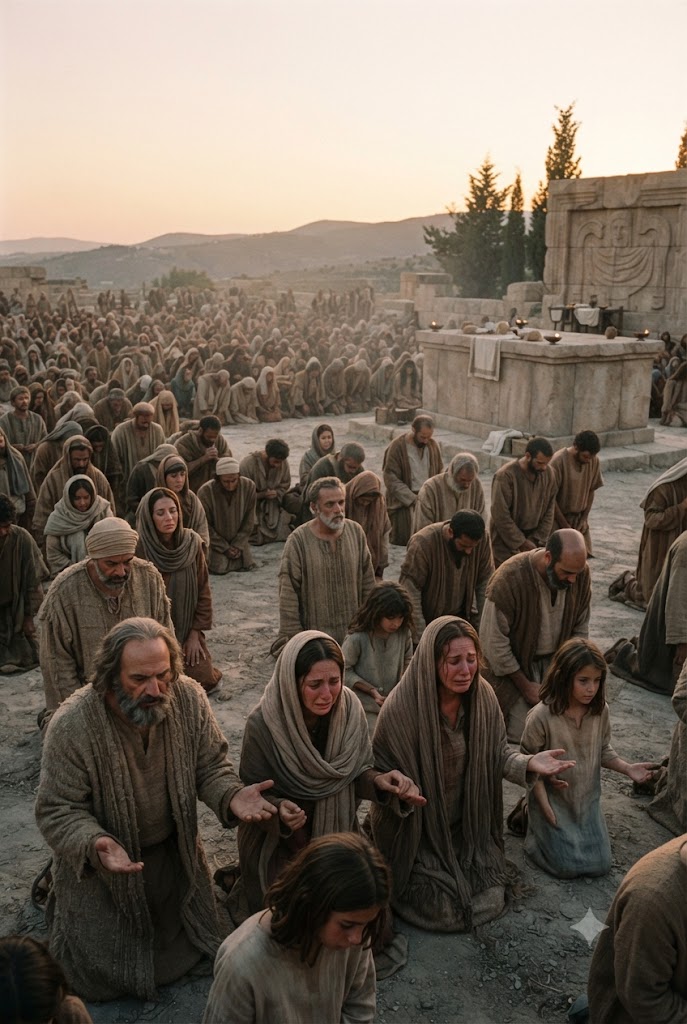
Coming to the final section, all of Israel is corrupted. Two tragic events appear, and if you are faint of heart, beware. These two events are structured around a core phrase repeated four times at the end of Judges: “In those days Israel had no king; everyone did as they saw fit.”
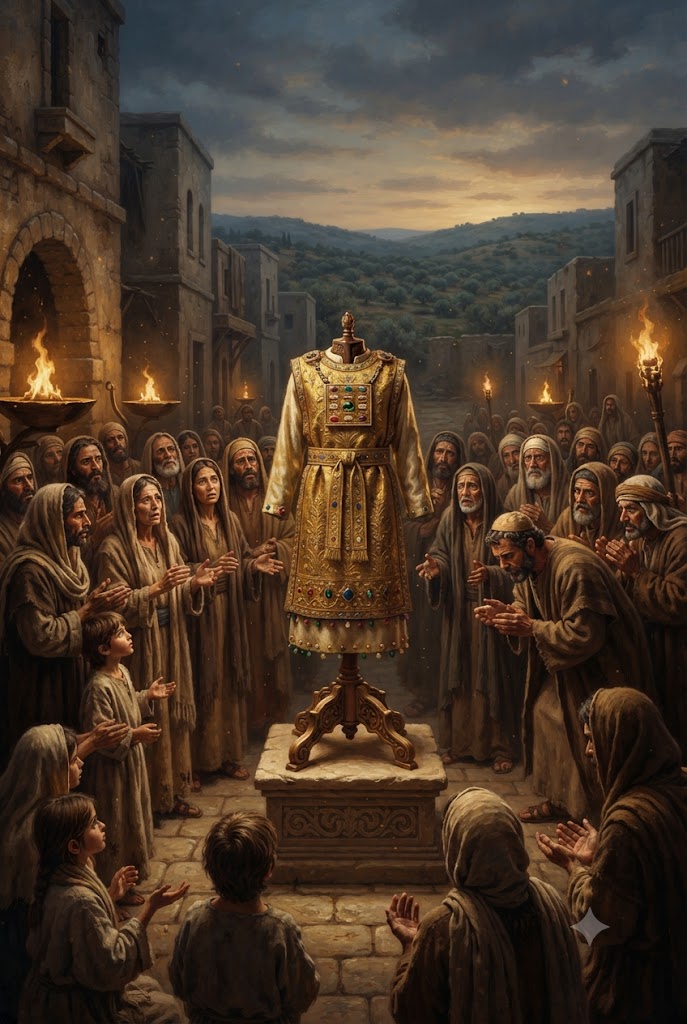
The first event is about an Israelite man named Micah, who built a private idol shrine, and a raiding party sent by the tribe of Dan plundered the shrine and stole all his possessions, then burned down the peaceful city of Laish and killed all its residents. It is a truly terrible story. As Israel forgets God, might becomes right.
The final event is much more serious. This shocking story, filled with sexual crime and violence, leads to Israel’s first civil war. It is extremely shocking, but that is the point. These events are a warning message. Israel falling into such ruin is the result of betraying the God who loved them and saved them from slavery in Egypt. Israel needs salvation once again, this time from themselves.
The only ray of hope is found in the concluding words repeated at the end of Judges: “In those days Israel had no king…” This sets the stage for the following books. Ruth records the genealogy of King David’s family, and 1 Samuel records the origin of the Israelite monarchy. Yet Judges has value as a tragedy because it coldly portrays the reality of human nature and ultimately teaches that a gracious God will send a king to save His people. This is Judges.
Tags: #Judges #BookOfJudges #Othniel #Ehud #Deborah #Gideon #Jephthah #Samson #NoKingInIsrael #BibleOverview #BibleStudy #KJVBible #Christian #Christianity #BibleStory #OldTestament #GodsGrace #SinAndRestoration #BibleSummary #FaithJourney